
Answered in 5 episodes
Do I need intermittent fasting to lose fat?
Answered by Nikkiey Stott and her guests · Updated
The short answer
No. Nikkiey Stott says intermittent fasting isn't necessary for fat loss. A calorie deficit combined with physical activity and strength training is what drives it. She calls fasting overrated for healthy women, warns that skipping meals often leads to overeating later, and says your muscle needs regular fuel to be built and repaired.
Hear it from the show
Tap play to start right where it's answered. It keeps playing while you browse.
Nikkiey on why fasting isn't needed for fat loss and works against building muscle
Plays from 20:05 · Ep. 34: Common Fitness Myths Women Over 40 Should Stop Believing
Why one meal a day often backfires for women and leads to a plateau
Plays from 9:52 · Ep. 233: How to Stop Yo-Yo Dieting and Keep the Weight Off
Nikkiey on how skipping meals led her to overeat 3,000 calories at dinner
Plays from 4:39 · Ep. 13: Fat Loss Myths: Carbs, Skipping Meals and Spot Reduction
Nikkiey calls intermittent fasting overrated and explains who it might suit
Plays from 28:46 · Ep. 161: How to Stop Extreme Dieting and Find Balance With Macros
When a coach might consider fasting or low carb, and when you don't need it
Plays from 28:16 · Ep. 171: Is Hiring a Fitness Coach Worth It for Women Over 40?
The full answer
On Ep. 34, Nikkiey explains that fasting gets talked about constantly in the fitness space, and that it may have a place in managing some health symptoms. But it isn't required to lose body fat, and if you're trying to build muscle it can work against you. Muscle is active tissue that never shuts off, even while you sleep, and it needs energy from food to be built, repaired and ready for workouts.
She speaks from experience. On Ep. 13 she describes skipping breakfast and lunch early in her journey, then eating around 3,000 calories at dinner because she was starving. She says skipping meals can lead to overeating later, can slow your metabolism, and can cause low blood sugar that leaves you tired, irritable and hangry. Her alternative is regular, balanced meals through the day.
On Ep. 233 she adds nuance. There are right and wrong ways to do intermittent fasting, and the version many people reach for, one meal a day, is in her view something that has been studied and tested on men. Women have a different hormonal profile and different fuel needs. Eating that little creates an extreme deficit, so you may lose weight fast, but eventually your metabolism adapts and you plateau. Ask yourself whether you could eat one meal a day for the rest of your life. If not, it's not the plan for you.
There is one exception she mentions. On Ep. 161 and Ep. 171 she says fasting or low-carb approaches may have a right time for people addressing specific health issues or hormonal deficiencies, and a good coach will recognize that. If that might be you, work with your doctor. If your body is working normally, she says you can skip the time windows and food rules and just learn the basics: eat well, move, strength train. If fasting hasn't held for you before, it's the plan, not you.
From The WarriorBabe Show with Nikkiey Stott. For education, not medical advice: talk to your doctor about your own health.
Women also ask
More questions →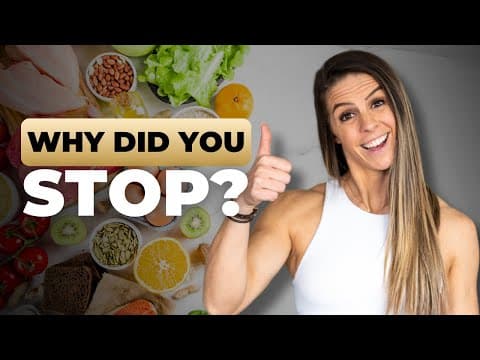
Diets, Fasting & Diet Culture
Why don't fad diets work long term?
Fad diets don't work long term because they are built for fast results through extreme restriction, not for real life. Nikkiey explains that when the program ends, the foods you cut out come back, often more than before, and so does the weight. Nothing teaches you how to keep the results afterward.
Read the answer →
Diets, Fasting & Diet Culture
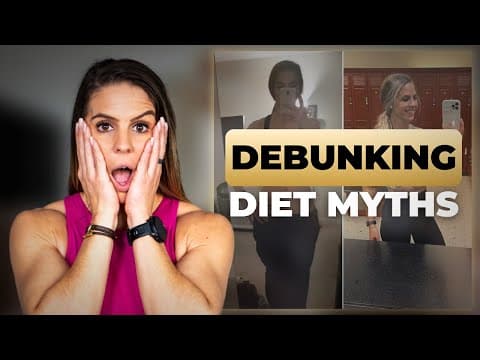
Do carbs make you gain weight?
No. Nikkiey explains that carbs on their own don't make you gain fat. Eating more calories than your body burns does, whether those calories come from carbs, fat or protein. Carbs are stored as glycogen, which holds about three grams of water per gram, so the scale can rise temporarily without any fat gain.
Read the answer →
Diets, Fasting & Diet Culture
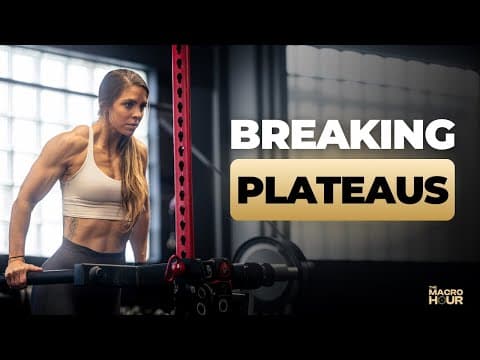
How do I stop losing and regaining the same 10 pounds?
Stop treating it as a 30-day diet and start building habits, beliefs and skills that outlast the plan. Nikkiey explains that the same 10 pounds keep coming back when old habits return after a diet ends, when you quit before your body responds, and when nobody teaches you how to move from fat loss into maintenance.
Read the answer →
Watch the full episodes
More episodes →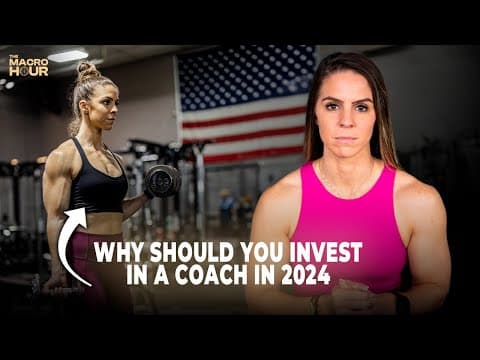 33 min
Is Hiring a Fitness Coach Worth It for Women Over 40?
Episode 171 · Jul 8, 2024
 27 min
Common Fitness Myths Women Over 40 Should Stop Believing
Episode 34 · Mar 27, 2023
 19 min
Fat Loss Myths: Carbs, Skipping Meals and Spot Reduction
Episode 13 · Feb 6, 2023