
The short answer
Start with the basics Nikkiey returns to again and again: cut screens and bright light before bed, keep your room cool and pitch black with the phone out, and go to bed and wake at the same times. Then try Dr. Stephen Cabral's 3-2-1 rule: no food three hours before bed, no liquids two hours, no screens one hour.
Hear it from the show
Tap play to start right where it's answered. It keeps playing while you browse.
Nikkiey on a simple wind-down plus evening food, alcohol and caffeine timing
Plays from 15:39 · Ep. 346: Can Poor Sleep Stop Fat Loss After 40?
Nikkiey walks through Dr. Cabral's 3-2-1 method and why her phone stays out
Plays from 23:43 · Ep. 196: How Does Sleep Affect Fat Loss and Muscle After 40?
Nikkiey on cutting artificial light and sleeping in a cool, pitch-black room
Plays from 14:12 · Ep. 25: How Sleep Affects Muscle Gain and Fat Loss After 40
Nikkiey on finding more sleep when you're only getting five hours a night
Plays from 17:57 · Ep. 237: How Stress Stops Fat Loss After 40 and What to Do
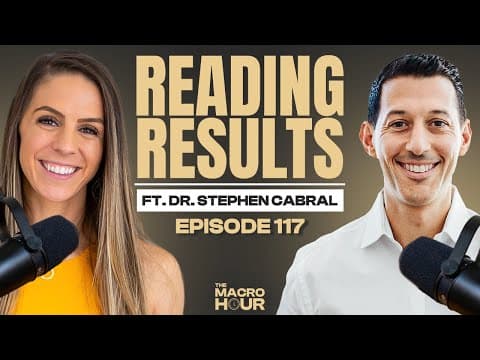
Dr. Cabral explains the 3-2-1 bedtime routine and a 30-minute fallback
Plays from 35:30 · Ep. 117: What Can At-Home Hormone Testing Tell Women Over 40?
The full answer
Light is the first lever. On Ep. 25, Nikkiey asks you to stop artificial light, including phones, tablets, TV and bright cold home lights, at least one to two hours before bed. She switches her own lights to a warm, amber setting in the evening. On Ep. 346 she adds that even small amounts of light can disrupt melatonin, so blackout curtains and keeping the phone in another room tend to move the needle faster. For temperature, she points to a study around 65 to 67 degrees, though she personally sleeps closer to 68 to 70 and says it's individual.
Evening habits matter too. Nikkiey explains that large meals close to bed disrupt sleep, and that alcohol may help you fall asleep but fragments your sleep cycles and cuts deep sleep. Caffeine has a half-life of about five to six hours, so a 3 p.m. coffee is still in your system at 9 p.m. Dr. Stephen Cabral's 3-2-1 rule (Eps. 117, 196, 209) builds on this. If a full screen-free hour isn't realistic, he suggests at least 30 minutes of journaling, meditation, breathwork or reading. On exercise, Nikkiey says timing depends on the individual, but intense workouts right before bed may work against you.
If you're only getting five hours, Nikkiey's approach on Ep. 237 is gradual: go to bed 20 minutes earlier, pull out what isn't serving you like scrolling and TV, then add a wind-down routine, working toward seven to nine hours. Keep wake times consistent, weekends included.
Most important: don't do it all at once. Pick one change, start small, and give it more than a night. Nikkiey notes it takes weeks for the effect to compound. Dr. Cabral mentioned supplements in individual lab reviews; those were specific to each person, so talk to your doctor before adding anything.
From The WarriorBabe Show with Nikkiey Stott. For education, not medical advice: talk to your doctor about your own health.
Women also ask
More questions →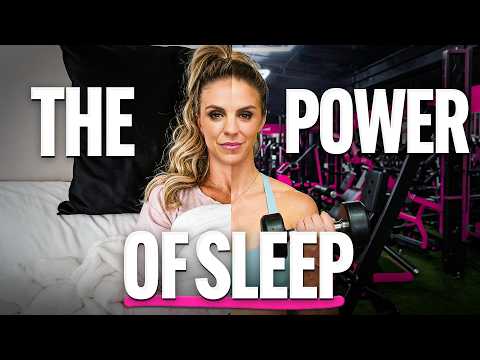
Sleep, Recovery & Lifestyle
How does poor sleep affect weight loss?
Poor sleep works against fat loss on several fronts. Nikkiey explains that it raises your hunger hormone ghrelin, lowers your fullness hormone leptin, and raises cortisol, which she says signals your body to hold fat, break down muscle and become more insulin resistant. That means you can be in a calorie deficit and still stall.
Read the answer →
Sleep, Recovery & Lifestyle
How many hours of sleep do I need to lose fat?
Aim for seven to nine hours a night. Nikkiey explains that most adults need that range to support the hormones that drive hunger, cravings, recovery and fat storage. If you're getting five or six hours now, don't overhaul everything overnight. Add 15 to 30 minutes at a time until you get there.
Read the answer →
Sleep, Recovery & Lifestyle
How many rest days should I take a week?
Take at least two rest days a week, Nikkiey says, and one of them can be active recovery like a walk, yoga, stretching or mobility work. She trains four days a week herself. One, two or even three rest days won't stall your progress. They help it, because rest is when muscle is built.
Read the answer →
Watch the full episodes
More episodes → 36 min
How Does Sleep Affect Fat Loss and Muscle After 40?
Episode 196 · Oct 7, 2024
 29 min
How Stress Stops Fat Loss After 40 and What to Do
Episode 237 · Feb 28, 2025
 43 min
What Can At-Home Hormone Testing Tell Women Over 40?
With Dr. Stephen Cabral