
Answered in 3 episodes
Is perimenopause the reason I can't lose weight?
Answered by Nikkiey Stott and her guests · Updated
The short answer
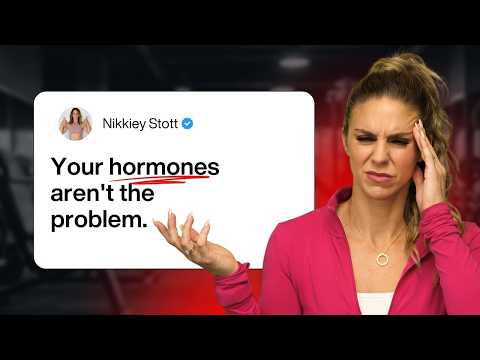
Partly, but probably not entirely. On Ep. 406, Nikkiey says perimenopause is real and makes fat loss genuinely harder. But a significant portion of what women over 40 blame on it comes from a plan that was never going to work: too little protein, no progressive lifting, inconsistency, or hormones never actually tested.
Hear it from the show
Tap play to start right where it's answered. It keeps playing while you browse.
Nikkiey on why much of what's blamed on perimenopause is really the plan
Plays from 6:46 · Ep. 406: Not Losing Fat After 40? It May Not Be Your Hormones
Nikkiey on getting your hormones tested before deciding they're the problem
Plays from 14:40 · Ep. 406: Not Losing Fat After 40? It May Not Be Your Hormones
Debra on why hormones helped her feel better but didn't make the weight fall off
Plays from 32:32 · Ep. 258: Losing 30 Pounds After Menopause by Eating More at 57
Nikkiey on why symptoms aren't just aging and testing can reveal imbalances
Plays from 31:45 · Ep. 172: How to Balance Hormones With Nutrition for Fat Loss
When Nikkiey says hormones are likely the main factor in stalled fat loss
Plays from 15:38 · Ep. 406: Not Losing Fat After 40? It May Not Be Your Hormones
The full answer
Nikkiey isn't dismissing what you feel. On Ep. 406 she says the hormonal changes of perimenopause are documented and make body composition work harder. Her pushback is on the idea that they explain everything. One example: she says perimenopause raises your protein needs because of anabolic resistance. So if you're eating 40 to 60 grams a day and losing muscle, that's a protein problem made worse by perimenopause, not a perimenopause problem alone. She's equally blunt about consistency: a cut you only follow some of the time isn't a cut.
Before you settle on the hormone story, she suggests asking yourself honestly:
- Have you had a comprehensive hormone panel? She mentions estradiol, progesterone, testosterone, thyroid and fasting insulin. Without that data, you don't actually know what your hormones are doing.
- Are you still running the calorie target and training that worked at 25 or 35? If so, the approach hasn't caught up to the body it's supposed to serve.
- Are your protein, progressive strength training and sleep really dialed in?
If all of that is in place and you're still stuck, Nikkiey says hormones are likely the main factor and medical intervention deserves serious consideration. That's a conversation for your doctor. In her experience, though, most women who go through these questions honestly find at least two or three places the plan can improve.
The other episodes add some nuance. On Ep. 172, Nikkiey argues that fatigue, weight gain and mood swings aren't just aging. She frames them as signs of hormone imbalance that many women don't know about until they get lab or saliva testing. On Ep. 258, WarriorBabe client Debra describes working with a functional medicine doctor. Hormones helped her feel much better, but they didn't make the weight come off. She still had to pay attention to her macros, workouts and rest. The common thread: get the data, and fix the plan either way.
From The WarriorBabe Show with Nikkiey Stott. For education, not medical advice: talk to your doctor about your own health.
Women also ask
More questions →
Menopause & Perimenopause Weight Loss
How much protein do women in menopause need?
Nikkiey's recommendation is about one gram of protein per pound of body weight, so a 150-pound woman aims for roughly 150 grams a day, and that target stays the same through menopause. Guests on The WarriorBabe Show land in a similar range, and several say most women are eating far too little.
Read the answer →
Menopause & Perimenopause Weight Loss
Is it possible to lose weight after menopause?
Yes. The WarriorBabe Show has featured several post-menopausal women who lost weight: Debra went from close to 180 to 149 pounds, Amy lost over 40 pounds, and Bryn lost over 25 while eating more. Nikkiey explains the approach is adjusting nutrition and exercise: enough food and protein, consistent strength training, and patience.
Read the answer →

Menopause & Perimenopause Weight Loss
What are the first signs of perimenopause?
According to guests on The WarriorBabe Show, the first signs usually aren't hot flashes or missed periods. Dr. Jolene Brighten says falling progesterone shows up first as worsening PMS, irritability, breast tenderness and waking at night before your period, sometimes from 35. Hatty McCafferty adds sleep disruption, skin changes, digestive shifts and fatigue.
Read the answer →
Watch the full episodes
More episodes → 35 min
How to Balance Hormones With Nutrition for Fat Loss
Episode 172 · Jul 15, 2024
 40 min
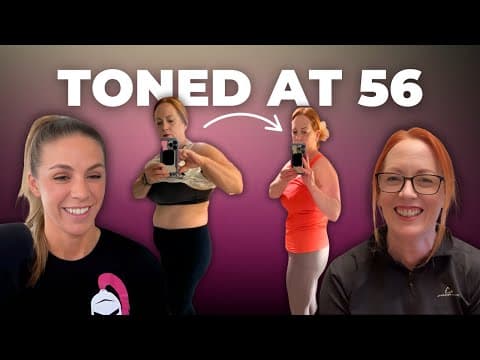
Losing 30 Pounds After Menopause by Eating More at 57
Episode 258 · May 12, 2025
 20 min
Not Losing Fat After 40? It May Not Be Your Hormones
Episode 406 · Oct 19, 2026