
Answered in 2 episodes
Should I take a break from caffeine?
Answered by Nikkiey Stott and her guests · Updated
The short answer
You don't have to. Nikkiey says a caffeine break is worth testing if you're drinking caffeine but still exhausted by the end of the day, foggy, or no longer getting the lift you used to. She tapered over two weeks, stayed off about five, saw her sleep and focus improve, then brought coffee back slowly.
Hear it from the show
Tap play to start right where it's answered. It keeps playing while you browse.
Nikkiey on who might benefit from testing a short caffeine break
Plays from 21:59 · Ep. 168: Should Women Over 40 Take a Break From Caffeine?
The signs that told Nikkiey her caffeine wasn't working anymore
Plays from 5:40 · Ep. 157: How to Quit Caffeine: Withdrawal, Benefits and Tips
How to quit caffeine gradually and what to drink instead
Plays from 23:08 · Ep. 157: How to Quit Caffeine: Withdrawal, Benefits and Tips
Why her break was never permanent and how she's easing coffee back in
Plays from 18:52 · Ep. 168: Should Women Over 40 Take a Break From Caffeine?
The full answer
On Ep. 157, Nikkiey explains what pushed her to try it. She felt run down and heavy, wanted to fall asleep around 6 p.m., and was so foggy she'd drift out of conversations. The caffeine wasn't giving her energy anymore. Her HRV had dropped from her usual 140 to 150 into the 70s and 80s, and her sleep efficiency had gotten worse. She had already ruled out other causes, with Dr. Cabral reviewing her test results. If you're dealing with ongoing fatigue, check in with your doctor too rather than assuming caffeine is the only factor.
How she did it, and what she suggests:
- Commit first, then taper instead of quitting abruptly. She cut her intake in half the first week, in half again the second, then went fully off in mid-May and stayed off about five weeks.
- Keep the ritual with decaf coffee, herbal tea or infused water. She notes decaf isn't ideal because of how it's made, but it held her over.
- Check in on how you feel as you go. She tracked her own phases, physically and mentally, and some days were rough.
What changed: she stopped mindlessly scrolling, could lock in on work until it was done, fell asleep in about 7 to 15 minutes, and thought and spoke more clearly and calmly. On Ep. 157 she said she hadn't noticed more energy yet. By Ep. 168 she reported seeing improvement in her data and feeling better physically and mentally.
On Ep. 168, Nikkiey is clear that this was never meant to be forever. She missed the taste and the morning experience, and she wanted to avoid restriction for its own sake. She reintroduced coffee slowly at around 190 to 200 milligrams a day, and joked that going back to her old heavy intake was a lesson already learned. The takeaway: treat it as a short experiment that tells you something about your body, not a rule to pass or fail.
From The WarriorBabe Show with Nikkiey Stott. For education, not medical advice: talk to your doctor about your own health.
Women also ask
More questions →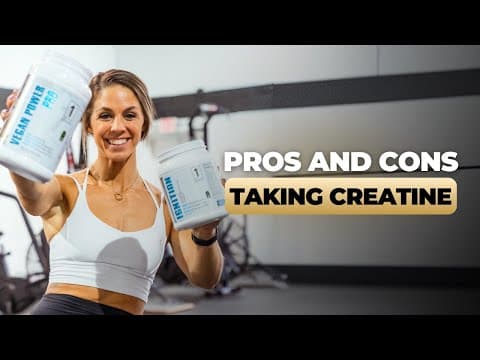
Supplements & Creatine
Should women in menopause take creatine?
Nikkiey says creatine can be a smart addition for many women in menopause who want to keep or build muscle and strength. As estrogen drops, the risk of osteoporosis and fractures rises, and she notes creatine is commonly used by older adults for muscle support. She advises checking with your doctor first and staying well hydrated.
Read the answer →
Supplements & Creatine
Do supplements help you lose fat?
Not on their own. Nikkiey says no supplement will get you fat loss results, and she won't recommend fat burners. On The WarriorBabe Show, her answer is that your best fat burner is a calorie deficit, strength training to build muscle, your daily steps and the cardio in your plan. Supplements may help along the way, nothing more.
Read the answer →
Supplements & Creatine
Does creatine make you gain weight?
Creatine can make the scale go up, but it doesn't make you fat. Nikkiey explains that creatine pulls water into your muscles, making them look larger and fuller. That extra weight is mostly water, usually temporary, and sometimes new muscle. Track your progress with photos instead of the scale so the number doesn't throw you.
Read the answer →
Watch the full episodes
More episodes →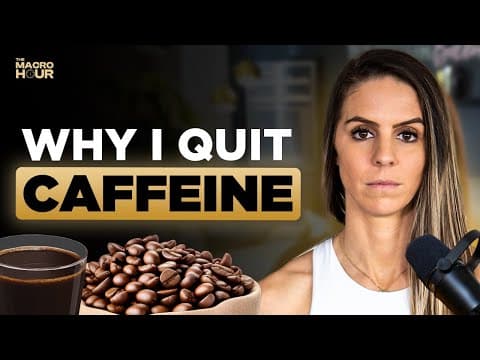 27 min
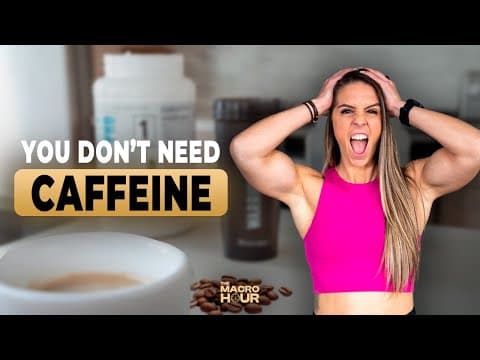
How to Quit Caffeine: Withdrawal, Benefits and Tips
Episode 157 · May 20, 2024
 24 min
Should Women Over 40 Take a Break From Caffeine?
Episode 168 · Jun 28, 2024