
Answered in 8 episodes
What is the difference between weight loss and fat loss?
Answered by Nikkiey Stott and her guests · Updated
The short answer
Weight loss is any drop on the scale, and it can come from fat, muscle, water, undigested food and even organs. Fat loss means reducing body fat specifically while keeping your lean muscle. Nikkiey explains that fat loss is what makes you look leaner, stronger and more defined, so it should be the goal.
Hear it from the show
Tap play to start right where it's answered. It keeps playing while you browse.
Nikkiey breaks down everything weight loss includes and why fat loss is different
Plays from 4:14 · Ep. 265: Scale Not Moving? Fat Loss vs Weight Loss for Women Over 40
Nikkiey on how dieting and cardio cost muscle and how protein protects it
Plays from 5:36 · Ep. 337: Why Women Over 40 Are Losing Muscle and How to Stop It
Nikkiey on losing fat without losing weight, and the reverse
Plays from 6:18 · Ep. 180: Fat Loss vs Weight Loss: Why the Scale Isn't Your Goal
Nikkiey on why chasing weight loss makes you a skinnier, fatter version of yourself
Plays from 2:06 · Ep. 111: Best Fitness Mindset Advice for Women Over 40
Beth, 61, on why women want to lose fat, not weight
Plays from 30:05 · Ep. 240: How Eating More Helped Beth Lose Fat at 61
The full answer
Nikkiey points out that most women who say they want to lose weight actually mean they want to tone up, tighten up or get leaner. That is a fat loss goal, and on Ep. 108 she says it calls for a different approach, one built around strength training. Crash diets, keto, intermittent fasting, heavy cardio and restriction will drop the scale, but on Ep. 265 she explains you drop a little of everything, including muscle. On Ep. 111 she calls the result a skinnier, fatter version of yourself.
Muscle matters because it is metabolically active. Nikkiey explains that it supports your metabolism, keeps you strong and functional, and gives you the toned look most women are after. On Ep. 337 she adds that when you under-eat, your body looks for energy and pulls from your muscle. Eating enough protein helps hold on to that muscle while body fat comes down, alongside strength training, hydration and good sleep.
There is nuance. On Ep. 180, Nikkiey says it is possible to lose weight and fat at the same time, to lose weight without losing fat, and to lose fat without losing weight. If you have 50 or 100 pounds to lose, you will lose a bit of everything along the way, and fat loss can be the next level once you get there.
On Ep. 240, client Beth, 61, describes being skinny fat with the last 10 pounds to lose. She says women don't want to lose weight, they want to lose fat. Eating more, including 163 grams of protein, she lost about 10 pounds, and Nikkiey notes the drop in body fat made her muscles look more defined. If the scale has been your only measure, that's the plan's limitation, not yours.
From The WarriorBabe Show with Nikkiey Stott. For education, not medical advice: talk to your doctor about your own health.
Women also ask
More questions →
The Scale & Tracking Progress
How can I track progress without the scale?
Track the changes the scale can't show: waist and body measurements, side-by-side progress photos, how your clothes fit, and whether you're lifting more than two weeks ago. Nikkiey also watches energy, sleep, cravings, recovery and habits like hitting protein and showing up to train. The scale becomes supporting data, not the decision maker.
Read the answer →
The Scale & Tracking Progress
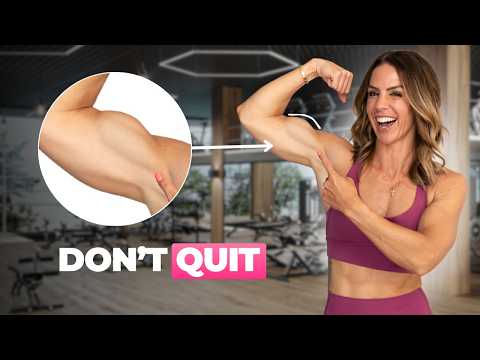
Why isn't the scale moving when I'm strength training?
The scale often stalls with strength training because you can build muscle while losing fat at the same time, so your weight barely changes while your body composition does. Nikkiey explains that muscle is denser and takes up less space than fat. Water retention, glycogen, your cycle and hormonal shifts can also stall or spike the number.
Read the answer →
The Scale & Tracking Progress
How often should I weigh myself?
Daily, if you can stay neutral about the number. Nikkiey suggests weighing every morning and comparing weekly averages, or weighing two to three times a week if daily weigh-ins trigger you. Guests Susan Niebergall and Paula Ciarniello also favor daily weighing, because a single weekly weigh-in can land on a water-retention day and mislead you.
Read the answer →
Watch the full episodes
More episodes →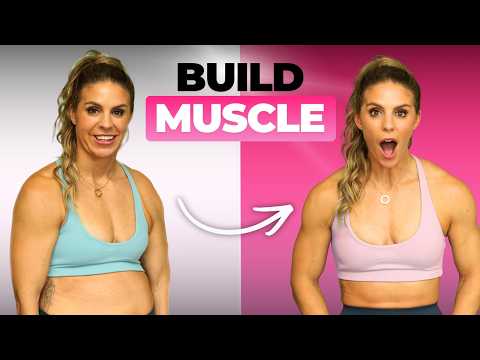 20 min
Why Women Over 40 Are Losing Muscle and How to Stop It
Episode 337 · Feb 16, 2026
 24 min
Scale Not Moving? Fat Loss vs Weight Loss for Women Over 40
Episode 265 · Jun 6, 2025
 23 min
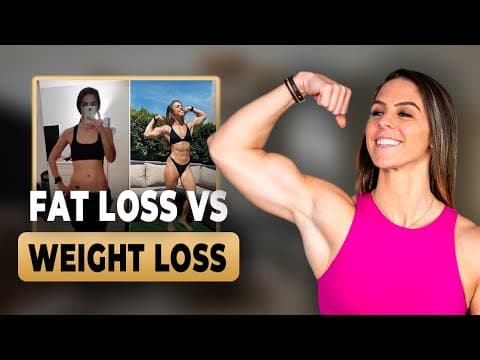
Fat Loss vs Weight Loss: Why the Scale Isn't Your Goal
Episode 180 · Aug 12, 2024