
Answered in 5 episodes
Should I eat fewer carbs during menopause?
Answered by Nikkiey Stott and her guests · Updated
The short answer
Moderately, yes, but not to keto levels. Nikkiey explains that WarriorBabe lowers carbs and raises fats during perimenopause and menopause because insulin resistance changes how your body handles carbs, using a split of 35% protein, 27% carbs and 38% fat. Carbs are never eliminated, and guest Louise Digby warns that going too low can slow your metabolism.
Hear it from the show
Tap play to start right where it's answered. It keeps playing while you browse.
Nikkiey on why carbs come down in menopause, and why it's not keto
Plays from 13:46 · Ep. 75: How Hormone Changes Affect Fat Loss and Muscle After 45
Louise Digby on why women 35 to 55 still need some carbs
Plays from 20:03 · Ep. 138: Why Can't I Lose Weight in Perimenopause or Menopause?
Nikkiey shares the 35/27/38 menopause macro split
Plays from 9:19 · Ep. 67: How to Build Muscle and Lose Fat During Menopause
Nikkiey on why strength-training women need carbs for energy and recovery
Plays from 21:15 · Ep. 138: Why Can't I Lose Weight in Perimenopause or Menopause?
The full answer
On Ep. 75, Nikkiey explains the reasoning. Hormone fluctuations in this phase can bring insulin resistance, which affects how your body processes and stores carbohydrates. That makes fat loss harder and can impair nutrient delivery to muscle tissue. So WarriorBabe coaches shift the balance between carbs and fats compared with what you ate at 25 or 35. On Ep. 67 and Ep. 9 she shares the split they have refined over the years: 35% protein, 27% carbs and 38% fat, with the slightly higher fat there to support your hormones.
She is emphatic that this is not keto. Keto carbs sit around 5 to 10%, which she says would also make it harder to build muscle. WarriorBabe never eliminates carbs because that is not sustainable or realistic long term. And after menopause, things change again: carbs can come back up with more moderate fats.
Guest Louise Digby, a registered nutritional therapist, adds an important counterweight on Ep. 138 and Ep. 200. Some people do fine on very low carb, but she finds women roughly 35 to 55 need some carbs to fuel the thyroid and hypothalamus. Go too low and metabolism can slow, stress on the body rises, and weight loss can actually stall. She won't give a set daily number because the right amount depends on your cycle and on how much and what type of exercise you do. Her goal is enough carbs without sending blood sugar racing high and low.
Nikkiey agrees carbs matter, especially if you strength train. She hears from women who are afraid carbs will make them fat, but you need them for energy to power through workouts and for glycogen to repair and recover. The takeaway: lower carbs a little, don't cut them out, and tailor the numbers to you. If you have a diagnosed condition like insulin resistance, work with your doctor too.
From The WarriorBabe Show with Nikkiey Stott. For education, not medical advice: talk to your doctor about your own health.
Women also ask
More questions →
Menopause & Perimenopause Weight Loss
How much protein do women in menopause need?
Nikkiey's recommendation is about one gram of protein per pound of body weight, so a 150-pound woman aims for roughly 150 grams a day, and that target stays the same through menopause. Guests on The WarriorBabe Show land in a similar range, and several say most women are eating far too little.
Read the answer →

Menopause & Perimenopause Weight Loss
Is it possible to lose weight after menopause?
Yes. The WarriorBabe Show has featured several post-menopausal women who lost weight: Debra went from close to 180 to 149 pounds, Amy lost over 40 pounds, and Bryn lost over 25 while eating more. Nikkiey explains the approach is adjusting nutrition and exercise: enough food and protein, consistent strength training, and patience.
Read the answer →
Menopause & Perimenopause Weight Loss
Why do women gain weight during menopause?
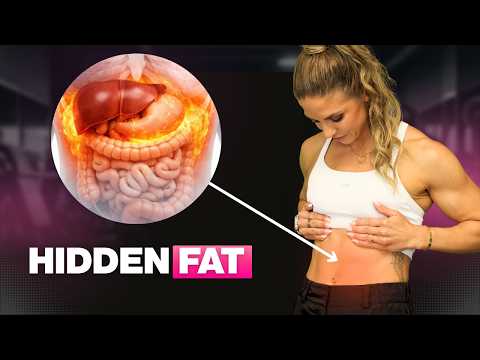
On The WarriorBabe Show, the answer is mostly hormonal, not a willpower problem. As estrogen declines, fat storage shifts from the hips and thighs to the belly and around the organs. Muscle also becomes easier to lose. Guests add that insulin and stress are major drivers, even when your eating and training stay the same.
Read the answer →
Watch the full episodes
More episodes → 10 min
How to Build Muscle and Lose Fat During Menopause
Episode 67 · Jun 12, 2023
 28 min
How Hormone Changes Affect Fat Loss and Muscle After 45
Episode 75 · Jul 3, 2023
 47 min
Why Can't I Lose Weight in Perimenopause or Menopause?
With Louise Digby