
The short answer
A build phase is a planned stretch of eating above maintenance while lifting heavy and keeping protein high, so you build muscle on purpose. Nikkiey puts the surplus at roughly 5 to 15 percent, or about 200 to 300 calories, above maintenance. Some weight gain is expected. It is controlled, not a free-for-all.
Hear it from the show
Tap play to start right where it's answered. It keeps playing while you browse.
Nikkiey defines a build: 5-15% above maintenance, heavy training, tracked macros
Plays from 18:37 · Ep. 272: Why Eating More Helps You Lose Fat After 40
Why the building phase is a small, precise surplus and not an excuse to overeat
Plays from 10:52 · Ep. 377: Lean Bulk for Women: Why the Scale Goes Up When You Eat More
Why alternating build and fat-loss phases works better than doing both at once
Plays from 13:03 · Ep. 169: How to Build Muscle and Lose Fat in Your 50s and 60s
Why Nikkiey calls a calorie surplus a build instead of a bulk
Plays from 3:59 · Ep. 27: Starting a Fitness Journey: 6 Things Women Should Know
Amy on choosing to gain weight in a build to be strong, not skinny
Plays from 21:01 · Ep. 370: How to Lose Weight Without Extreme Dieting After 40
The full answer
Nikkiey calls it a build rather than a bulk because the word is better for your mindset (Ep. 27). It is the same idea: a controlled calorie surplus. On Ep. 272 she describes it as eating about 5 to 15 percent above maintenance while training heavy and tracking macros. On Ep. 377 she frames the lean version as around 200 to 300 calories above your true maintenance, held consistently, with progressive strength training and high protein. She is clear it is not an excuse to eat everything.
A build does two jobs. If you've been eating something like 1,100 calories for years, Nikkiey explains that the coaches raise calories gradually, week by week, while watching how your body handles each increase. The point is to rebuild your metabolic capacity. Client Cheryl worked her way up to 3,300 calories over roughly nine months. The second job is building muscle, which Nikkiey says happens slowly, especially in women. She suggests giving yourself about three years if you're doing it right.
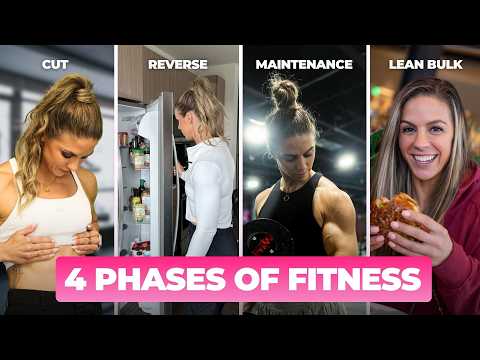
A build is one phase in a bigger plan. On Ep. 169 she explains why you alternate:
- Building muscle needs a surplus and fat loss needs a deficit, so you focus on one goal at a time.
- With a muscle base in place, the fat-loss phase that follows works better and is more likely to preserve that muscle.
- Build phases between cuts give your body a chance to recover and help reduce yo-yo dieting.
Expect the scale to move. Ashley (Ep. 244) said she felt fluffy her whole first summer and had to trust the process. Amy (Ep. 370) told her coach she wanted to be strong, not skinny. She now clean and presses 55 pounds after once struggling with an empty bar. If years of dieting haven't given you the shape you want, the problem may be that the plan never included a build.
From The WarriorBabe Show with Nikkiey Stott. For education, not medical advice: talk to your doctor about your own health.
Women also ask
More questions →
Metabolism, Eating More & Reverse Dieting
Can you lose weight by eating more?
Yes, according to The WarriorBabe Show. Nikkiey says almost every WarriorBabe success story involves eating more food, and members like Amy, Debbie, Lisa and Erin lost weight after raising their calories from chronic lows. The key, she explains, is eating enough to fuel strength training and build muscle, which is active tissue that burns calories even at rest.
Read the answer →
Metabolism, Eating More & Reverse Dieting
How do I eat more without gaining weight?
Raise your calories slowly instead of all at once. Nikkiey's approach is to track what you actually eat for a week to find your baseline, then add roughly 50 to 150 calories at a time, mostly from carbs and fats. Keep protein steady and watch sleep, mood, energy and hunger before each next increase.
Read the answer →
Metabolism, Eating More & Reverse Dieting
Will I gain weight when I start eating more?
Probably a little, and that's expected. Nikkiey explains that when you start eating more during a retrain or reverse diet, your weight will usually fluctuate about two to five pounds from water, glycogen, food volume and salt, not fat. If the gain keeps climbing or holds around five pounds, the increase was likely too fast.
Read the answer →
Watch the full episodes
More episodes → 27 min
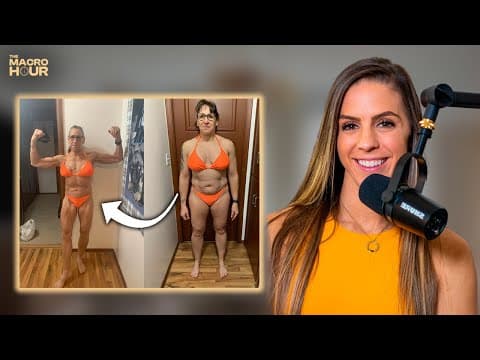
Why Eating More Helps You Lose Fat After 40
Episode 272 · Jun 30, 2025
 17 min
How to Build Muscle and Lose Fat in Your 50s and 60s
Episode 169 · Jul 1, 2024
 35 min
Lean Bulk for Women: Why the Scale Goes Up When You Eat More
Episode 377 · Jul 10, 2026