
Answered in 10 episodes
Why am I working out every day but not losing weight?
Answered by Nikkiey Stott and her guests · Updated
The short answer
Daily workouts can work against fat loss after 40. Nikkiey explains that training six or seven days a week adds to your stress load, raises cortisol, drives inflammation and can lead your body to break down muscle. Add too little food or protein and no recovery, and progress stalls. It's the plan, not your effort.
Hear it from the show
Tap play to start right where it's answered. It keeps playing while you browse.
Nikkiey on how overtraining raises stress, costs muscle and blocks fat loss
Plays from 13:00 · Ep. 237: How Stress Stops Fat Loss After 40 and What to Do
Nausheen on the protein and recovery she was missing while training daily
Plays from 7:01 · Ep. 378: Why More Cardio Isn't Helping You Lose Weight
Nikkiey on why six to seven days of training can stall your progress
Plays from 22:20 · Ep. 188: How to Break Through a Fitness Plateau After 40
Lindsey Matthews on cutting cardio and lifting less before the weight came off
Plays from 32:47 · Ep. 110: Gaining Weight After Extreme Dieting? How to Find Balance
Angela on how 14 classes a week left her puffy with no time to recover
Plays from 30:26 · Ep. 231: Losing Weight in Perimenopause at 51 by Eating More
The full answer
On Ep. 237, Nikkiey says your body treats high-intensity training or training six to seven days a week as another stressor. If you're already dealing with life stress or poor sleep, piling on exercise pushes you toward chronic inflammation and burnout, and a stressed body may break down muscle for energy instead of burning fat. Since muscle keeps your metabolism going, losing it makes fat loss harder. On Ep. 188 she adds that a plateau can be your body telling you it needs a break.
The women on the show describe the same pattern. Nausheen (Ep. 378) worked out six or seven days a week, sometimes two or three times a day, and wasn't eating enough protein. Angela (Ep. 231) was doing up to 14 mostly HIIT-style classes a week and felt puffy without building muscle. Amber (Ep. 266) burned about 1,300 calories a day on CrossFit and dance fitness while eating keto and not eating enough, and got puffier, achier and more tired. On Ep. 110, Trainer Lindsey Matthews points out that a run may relieve mental stress, but on your body it's still a stress you have to manage.
What Nikkiey recommends instead:
- Prioritize strength training over lots of cardio.
- Take at least two days off a week; one can be active recovery like yoga, mobility, stretching or a walk.
- Eat enough, with real attention to protein.
- Listen to your body; when you're sore and exhausted, a lighter workout or extra sleep does more than pushing through.
One nuance: fewer days doesn't mean coasting. On Ep. 188, Nikkiey says just going through the motions won't create the demand your body needs, so challenge yourself with heavier weight in the sessions you do. Lindsey's coach had her train less and focus on recovery for months, checking her lab work, before moving her into a calorie deficit, and then the weight came off. If you suspect something hormonal or medical is going on, work with your doctor.
From The WarriorBabe Show with Nikkiey Stott. For education, not medical advice: talk to your doctor about your own health.
Women also ask
More questions →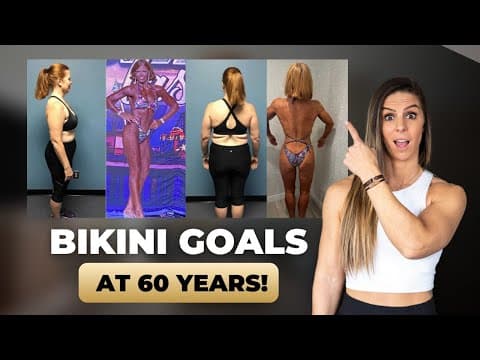
WarriorBabe Transformation Stories
Is it too late to transform your body after 60?
No. On The WarriorBabe Show, women in their 60s and 70s keep proving it. Bea lost 14 pounds of fat and gained muscle after joining at 62, Robin went from painful bodyweight squats to squatting 30 pounds, and Kathy lost 12 pounds in 12 weeks after joining at 73. The common thread is consistency, not perfection.
Read the answer →
WarriorBabe Transformation Stories
How long does a real body transformation take?
On The WarriorBabe Show, Nikkiey Stott puts a real transformation at six to 12 months of consistent work, often longer. She cites anywhere from eight months to two years and says the full end result can take years. You'll usually feel changes in the first month and see them in the mirror by about three months.
Read the answer →

Menopause & Perimenopause Weight Loss
Is it possible to lose weight after menopause?
Yes. The WarriorBabe Show has featured several post-menopausal women who lost weight: Debra went from close to 180 to 149 pounds, Amy lost over 40 pounds, and Bryn lost over 25 while eating more. Nikkiey explains the approach is adjusting nutrition and exercise: enough food and protein, consistent strength training, and patience.
Read the answer →
Watch the full episodes
More episodes →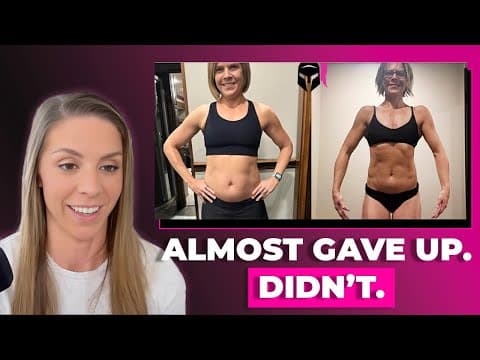 46 min
Losing Weight in Perimenopause at 51 by Eating More
Episode 231 · Feb 7, 2025
 29 min
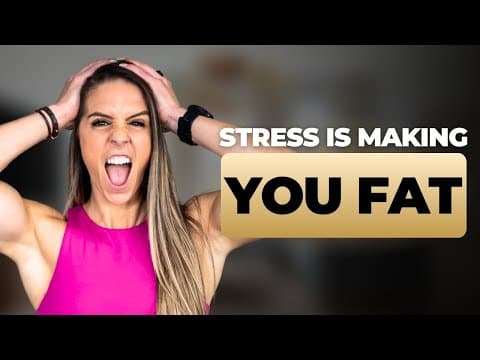
How Stress Stops Fat Loss After 40 and What to Do
Episode 237 · Feb 28, 2025
How to Break Through a Fitness Plateau After 40
Episode 188 · Sep 9, 2024