
Answered in 8 episodes
Why can't I lose weight after 40 even though I eat less and exercise more?
Answered by Nikkiey Stott and her guests · Updated
The short answer
Nikkiey's answer: your body after 40 doesn't respond to restriction the way it did at 25. Eating less and doing more signals stress, so your body lowers your metabolic rate, raises cortisol, breaks down muscle and holds on to fat. The fix she teaches is more food, more protein, strength training and recovery, not further cuts.
Hear it from the show
Tap play to start right where it's answered. It keeps playing while you browse.
Nikkiey on how very low calories eat away your muscle and your metabolism
Plays from 11:45 · Ep. 398: How Women Over 40 Lose Fat When the Scale Won't Move
What estrogen did for your body at 25 that it doesn't do the same way now
Plays from 4:18 · Ep. 402: How to Get Lean After 40: What Actually Works for Women
Louise Digby on how under-eating plus intense exercise drives cortisol and belly fat
Plays from 22:29 · Ep. 138: Why Can't I Lose Weight in Perimenopause or Menopause?
Why under-eating and overtraining make your body hold on to fat
Plays from 10:55 · Ep. 311: Is My Metabolism Broken? Why Your Body Holds On to Fat
Why losing muscle means you can't eat the way you did in your 20s
Plays from 5:08 · Ep. 373: Why Women Over 40 Need Strength Training
The full answer
On Ep. 402, Nikkiey explains that at 25, estrogen was quietly doing a lot of work. It protected your muscle during calorie deficits, directed fat away from your midsection, and supported recovery, bone density and insulin sensitivity. Your muscle mass was near its peak, so you could get away with less sleep, more stress, more caffeine and more training volume. That environment isn't the same now. On Ep. 373 she adds that muscle is metabolically active tissue, and every pound you lose means your body needs fewer calories. That's why the food you've always eaten starts producing different results.
The bigger problem is what restriction does on top of that. Nikkiey describes it on Ep. 272 and Ep. 398 as metabolic adaptation. When you underfeed yourself for a long time, your body goes into survival mode. It lowers your metabolic rate, raises cortisol, slows your thyroid, breaks down muscle for fuel and holds on to fat more aggressively. On Ep. 311 she says overtraining sends the same physical-stress signal. On Ep. 138, nutritional therapist Louise Digby explains that under-eating raises cortisol, intense exercise drives it higher, and the body tends to store that energy as fat, particularly around the middle. She adds that cortisol is inflammatory, which can bring water retention and puffiness. Nikkiey notes that the women who struggle most are almost never eating too much. They have been eating too little for years and have nowhere left to cut.
What the show recommends instead:
- Stop under-eating, and eat enough to fuel training and recovery.
- Strength train to rebuild muscle and raise your resting metabolism.
- Aim for at least one gram of protein per pound of body weight daily (Ep. 402).
- Protect sleep, aiming for seven to eight hours, and manage stress.
Nikkiey says some women need to build muscle at or near maintenance before any fat loss phase. If you suspect thyroid or hormone issues, work with your doctor. Either way, it's the plan that failed, not you.
From The WarriorBabe Show with Nikkiey Stott. For education, not medical advice: talk to your doctor about your own health.
Women also ask
More questions →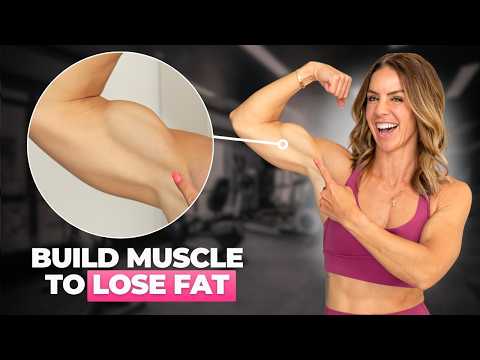
Fat Loss After 40
How much cardio should I do to lose fat?
Less than you probably think. Nikkiey's guidance is two or three cardio sessions a week, or simply hitting your step count (around 10,000 a day), and that's plenty for most women. Cardio supports heart health and endurance, but strength training and nutrition should drive fat loss, not daily treadmill time.
Read the answer →
Fat Loss After 40
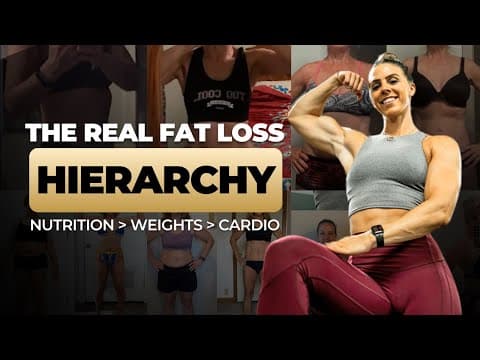
Is too much cardio bad for women over 40?
Cardio itself isn't bad after 40, Nikkiey says, but too much of it becomes a problem when it's your main fat loss tool, especially without enough food, recovery and strength training. Then it can stress your body, cost you muscle and slow your metabolism. Use it as a supplement, not the star of the show.
Read the answer →
Fat Loss After 40
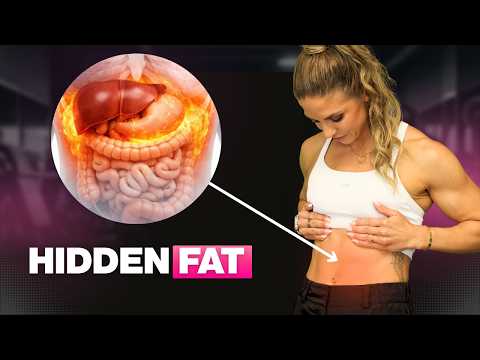
How do I lose belly fat after 40?
Build muscle and fix your nutrition instead of adding crunches, cardio or cutting food further. Nikkiey explains belly fat can't be spot-reduced; it comes off through a calorie deficit across your whole body. Her priorities: progressive strength training, enough protein, sleep, stress management and less alcohol, plus patience, because the midsection often leans out last.
Read the answer →
Watch the full episodes
More episodes → 20 min
How to Get Lean After 40: What Actually Works for Women
Episode 402 · Oct 5, 2026
 31 min
How Women Over 40 Lose Fat When the Scale Won't Move
Episode 398 · Sep 21, 2026
 47 min
Why Can't I Lose Weight in Perimenopause or Menopause?
With Louise Digby