
Episode 18626 min
How Stress and Cortisol Cause Belly Fat After 40

Listen to episode 186
Chapters
In this episode
Work, family, finances, hormonal changes. Stress comes from every direction in midlife, and in this episode Nikkiey Stott explains why it can show up as weight gain, especially around your midsection. She walks through what cortisol does: in the short term it helps you respond to challenges, but when stress becomes chronic and cortisol stays elevated, it can increase your appetite and push you toward high-calorie, sugary, fatty comfort foods. In Nikkiey's view, the hormonal fluctuations and emotional roller coaster of menopause can make those effects stronger.
She is also honest about the hard part. If you have been chronically stressed and eating this way for a long time, the midsection didn't change overnight, and it may be the last area to lean out. Her advice is to give yourself grace, notice the wins showing up in your face, arms and legs, and keep sticking to the plan.
Then she gets practical with four buckets to work on, one at a time: prioritizing sleep with small increases and a screen-free bedtime routine, mindful eating that starts with asking whether you are hungry, bored or stressed, simple stress-reducing practices like a walk or 4-4-4-4 breathing, and regular physical activity. Stress is part of life, but it doesn't have to control your health or your weight.
Key takeaways
- Chronic stress keeps cortisol elevated, which can increase your appetite and your cravings for high-calorie, sugary, fatty comfort foods.
- Stress-related weight gain tends to settle around the midsection, which is often the last area to lean out, so give yourself grace and patience.
- Celebrate the progress showing up in your face, arms and legs while you keep sticking to the plan for your midsection.
- Pick one stress bucket you are struggling with, improve it, then move on to the next instead of trying to fix everything at once.
- Aim for seven to nine hours of sleep by adding time gradually, such as going to bed 15 minutes earlier and waking 15 minutes later, and skip TV and phone scrolling before bed.
- Before reaching for food, pause and ask whether you are actually hungry, bored or stressed, and if you are hungry, make it a good, healthy meal.
- Eat slowly, eat smaller meals through the day to learn your hunger cues, and avoid TV or your phone during meals so you stay present.
- When stress hits, go for a walk or try breathing with a four-second inhale, four-second hold, four-second exhale and four-second hold to signal to your nervous system that you are safe.
Questions answered
Why does stress cause belly fat?
Nikkiey explains that when you're stressed, your body releases cortisol, and when stress becomes chronic, cortisol stays elevated. That can increase your appetite and cravings for comfort foods, which leads to fat storage, particularly in the abdomen.
Why is midsection fat the hardest to lose?
According to Nikkiey, if you have been chronically stressed and eating this way for a long time, that fat didn't come on overnight and may take the longest to come off. You may see your face, arms and legs lean out first, and with more time and consistency the midsection will follow.
Does menopause make stress-related weight gain worse?
Nikkiey says the hormonal fluctuations and emotional ups and downs of menopause can make the effects of cortisol stronger, making it easier to gain weight, especially in the abdomen, and harder to lose it.
How much sleep should I aim for to manage stress and weight?
Nikkiey encourages seven to nine hours but suggests building up gradually, adding an hour at a time or going to bed 15 minutes earlier and waking 15 minutes later. She says lack of sleep increases cortisol and disrupts hunger hormones, which leads to overeating.
How do I stop stress eating?
Start with awareness: when you want to grab a snack, ask whether you're actually hungry, bored or stressed. If you're hungry, have a good, healthy meal. If you're bored or stressed, try a walk or deep breathing instead, and eat slowly without TV or your phone.
Does exercise help lower cortisol?
Nikkiey describes physical activity as one of the most effective ways to reduce stress, saying that over time it lowers cortisol levels, releases endorphins and gives you a natural mood boost.
Full transcript
Nikkiey: Real quick, the only ask I could ever have of you guys is to help spread the word so we can help more women lose body fat, build muscle, reach their goals, and feel insanely confident. And the only way we can do that is if you rate, review, and share this podcast. So the single thing I ask you to do is leave a review. It will take you 10 seconds, and it will mean the absolute world to me and may change the world of someone else.
If you are going through menopause and you're dealing with hormonal fluctuations, you are experiencing different emotions. You are on the roller coaster of emotions. And when you do experience these, and you're experiencing all the changes that are happening in your body, these changes can exacerbate the effects of cortisol on your body, making it way easier to gain weight and harder to lose it.
What's going on, you guys? Welcome to The WarriorBabe Show with Nikkiey Stott, co-founder of WarriorBabe. On this podcast, we talk about mindset, methodologies, and tactics that will help you lose body fat, build muscle, be strong, and feel insanely confident. I am your host, Nikkiey Stott, and welcome to today's episode, episode 186.
Today I want to explore a topic with you guys that affects many of us. I've hinted at this topic in previous podcasts. And we experience this, I think, all throughout life, whether we're 20, 30, 40, 50, 60, 70, or whatever. That is the connection between stress and weight gain and how you can manage it effectively.
Before I dive into this topic today, first and foremost, guys, I just want to say a huge thank you. I think two or three Mondays ago, I dropped an episode where at the end I asked you guys to leave me some reviews in the review section. And you guys did. I appreciate you guys so much. I don't know if you guys know, but I do go in and look at the reviews that you're leaving, the words that you're sharing, how this podcast is positively impacting you in many areas of your life. And I just love reading that from you. It gives me the energy to come here and do these episodes for you guys. So those of you guys that fulfilled my request, man, thank you so freaking much.
And if you haven't left a review yet, I'm asking you to. By the way, that helped us get back into the top 10 of the charts. We are dipping down into the top 20s. So if you haven't left a review yet, not only does it help with the numbers in the charts, but when we're sitting in those higher numbers, we're more likely to be on the radar of other women who could gain value from this podcast too. So if you haven't yet left a review, please do. I appreciate you guys so much.
Okay, let's talk about this topic today, because I feel like it's going to resonate with you guys big time. As always, I'm going to talk about the connection between stress and weight gain. I'm going to talk about the most common stressors that we experience. And I'm going to dive into some tactical things that you guys can take away. That's what I love about recording these podcasts. Sure, I'm here to give you guys insights, knowledge and education, but that means nothing if you guys don't go and apply it. You guys can listen to me until you're blue in the face, but only if you go apply what I'm saying will you actually get the transformation you're looking for.
So first, let's just talk about the connection between stress and weight gain. I don't think it's any secret that stress affects our bodies in various ways. And I think it affects individuals in different ways. It's so fascinating how literally every single human that we see has a drastically different makeup internally. We're all so different. The human that you see walking down the street is completely different than you. Their makeup is completely different. The way that things affect their body is completely different. And then the next person that you see, and the next person, and the next person. It's pretty crazy. Even your husband and your kids. We are all so different, and stress specifically affects all of us differently in various ways.
But it can be a significant factor in weight gain, and particularly a significant factor in weight gain around our midsection, especially as we age. When women are 35, 40, 45, and then going through the world of menopause, perimenopause, menopause, postmenopause, a lot of things are changing internally, things that we cannot see. So it's really hard to understand why these things are happening, because they're things we aren't able to touch. Our senses can't decipher what is happening. We don't know what's happening unless we have the education and knowledge behind it.
So as you age, you're starting to see that weight gain build up particularly in your midsection. And the reason why is that when you're stressed out, your body releases a hormone called cortisol. I'm sure so many of you guys have heard of this. It's starting to become a very popular topic in the fitness space. Cortisol is part of our fight or flight response. It helps prepare you to deal with survival mode, perceived threats, the instinct to respond to things. It's just helping you to feel safe, and that's how I want you guys to think about it.
In the short term, it's a good thing, because it gives you the energy that you need to respond to challenges and to survive. However, when it becomes chronic, cortisol levels remain elevated for long periods of time. And this can lead to so many issues, including the weight gain that I want to talk to you guys about specifically.
I want to break the science down to a level that you guys will understand. Elevated cortisol levels will also increase your appetite. Some of you guys may feel overly stressed. I'm going to dive into some of the common stressors that a lot of people experience in a few minutes, but that could be work-related stress, family and relationship stress, hormone changes, financial stress. We all experience stress in a different way, and it affects our bodies in different ways, as I said. But as those cortisol levels continue to increase, they also increase your appetite. And this makes people want to go for more high-calorie, dense, sugary, fatty foods, which are often referred to as comfort foods. That's because cortisol can increase your body's cravings for quick energy sources.
So you have the increase in your appetite, and you're stressed, and you're overly stressed for long periods of time, and it's becoming chronic. Can you guys imagine? Think about it. If you're personally one of these people going through this, maybe you're somebody who, when you're in this constant state of stress, wants to go for comfort foods. That's because your body's like, I just need some quick energy source to be able to deal and to respond to the challenges that I'm facing. It's almost like survival mode at that point. And when this happens, it leads to fat storage, particularly in the abdomen area, where it's the most challenging weight to lose.
I see this over and over and over again inside of our community. Women are like, I can't seem to get this stubborn body fat off of my midsection. Look, I'm going to tell you guys this straightforward, blunt and honest, because I love you guys. If that is you, it didn't come on overnight. Okay? You've probably been chronically stressed for a long period of time, and you've maybe been eating like this for a long period of time. So you need to give yourself grace and compassion, knowing that it's going to take a little bit, and it may be the last to come off your body.
You may see it in all other areas. You may see it in your face. You may see it start from the top down. You may start seeing your thighs get smaller, but you've still got this area on your midsection. That may take you the longest to get rid of. It's not sexy to say that. People don't want to hear that. But I'm brutally honest with you guys because I want you guys to win. I want you guys to succeed. And I want you guys to be patient with your journey, be patient with yourself, and give yourself grace and compassion.
So if you can accept that, find wins in other areas. Oh wow, I see my face thinning out. People are recognizing it. My arms are thinning out. I'm getting more toned. My legs are thinning out. But this midsection... Give yourself grace and recognize all the other areas where you're winning in terms of the results you're seeing in your body. And know that with more time, more effort, and consistently sticking to the plan, that midsection will go away.
Okay, ladies, are you feeling frustrated with body changes you're experiencing during menopause? It's time to take control. If you're between 45 and 65 years old and tired of struggling with body fat and muscle loss, WarriorBabe is here for you. At WarriorBabe, we've helped over 18,000 women just like you lose body fat, build toned muscle, and understand their bodies better with personalized plans based on hormone and thyroid testing and more. Imagine knowing exactly what your body needs to see real results, and results that last. Look, don't wait anymore. Take charge of your health and join our community of strong, empowered women. Visit warriorbabe.com/apply today to start your transformation. That's warriorbabe.com/apply. All right, let's get back to the show.
So, common stressors that I feel like many people go through. Stress comes from various sources: balancing work, managing family responsibilities, navigating hormonal changes, or dealing with any type of financial situation. These are all different variables that lead to stress. You could be experiencing all four of those. You could be experiencing only two out of the four. You could be experiencing one of them. It doesn't matter. No matter where you're experiencing stress, this is how it may be affecting you.
One is work-related stress. Whether you're dealing with the demands of your career, you're successful, you're traveling everywhere, or you're transitioning into retirement, these types of stresses can be a significant factor in your weight gain. If you're consistently operating from a high level of stress, this leads to poor eating habits. It leads to lack of sleep. It leads to less time for physical activity. That is a very stressful environment that you are putting your body into.
Another one is family and relationship stress, or managing family responsibilities. You could be caring for an aging parent. You could be supporting your children. You could be dealing with relationship issues. This can all create emotional stress that triggers unhealthy eating patterns that cause weight gain.
Another one is hormonal changes. As you guys approach menopause, if you're 40, 45, 50, it could be early menopause, you could be going into menopause at 50, or it could be late menopause. No matter when you're approaching menopause, hormonal fluctuations make it so challenging to manage your stress.
Immediately, what just came to my mind, and this probably isn't going to relate in terms of menopause itself, but it could relate in terms of the emotions that you're feeling during menopause: I just watched Inside Out 2. If you guys have kids that watch this, it's a very cartoon movie, and it's clearly for an age group of, you know, she was...
Ladies, are you feeling frustrated with body changes you're experiencing during menopause? It's time to take control. If you're between 45 and 65 years old and tired of struggling with body fat and muscle loss, WarriorBabe is here for you. At WarriorBabe, we've helped over 18,000 women just like you lose body fat, build toned muscle, and understand their bodies better with personalized plans based on hormone and thyroid testing and more. Imagine knowing exactly what your body needs to see real results, and results that last. Look, don't wait anymore. Take charge of your health and join our community of strong, empowered women. Visit warriorbabe.com/apply today to start your transformation. That's warriorbabe.com/apply. All right, let's get back to the show.
...in her teenage years, going into high school. So it doesn't relate to menopause, but I think it relates to the emotional aspect. In Inside Out 2 they welcomed new emotions. They welcomed anxiety. They welcomed embarrassment, and they welcomed boredom. Oh, and envy was another one. I freaking love that movie. I think it's absolutely adorable.
But in terms of emotions, if you are going through menopause and you're dealing with hormonal fluctuations, you are experiencing different emotions. You are on the roller coaster of emotions. And I think that movie could relate in that sense, to the emotional fluctuations that you may be experiencing. And when you do experience these, and you're experiencing all the changes that are happening in your body, these changes can exacerbate the effects of cortisol on your body, making it way easier to gain weight and harder to lose it. Way easier to gain in your abdomen area, and way harder to lose it in your abdomen area.
That's why I refer back to what I just said about being patient and giving yourself grace and compassion when you're navigating this phase of your life. If you've spent X amount of years in an unhealthy environment with food because you've been stressed out, or you know that you cope with food, then give yourself a little bit of grace as you're looking to gain results with your body, because that's going to be the area that takes the longest to come off.
So we explored the connection between stress and weight gain, and we talked about some of the common things that trigger stress and can elevate cortisol levels. Now I want to give you guys some practical strategies, as I've been doing in the last couple of podcasts, so you can walk away from this podcast and be like, okay, where am I maybe struggling? Which one or two of these buckets could I take some type of accountability in, and then take action toward making that one bucket better? And once that one bucket is better, maybe I can move on to the next bucket and start making that better.
Managing your stress isn't going to happen overnight. It's going to take time. But I would say it's the most liberating thing you could do for yourself. I think the most important thing to recognize first is awareness: you are aware that stress is controlling your life and it's not making you feel good. And so you want to be able to course correct and take action to develop different strategies and behaviors that will help you not be as stressed.
So, one, and this may be the top bucket for everyone. I don't know, everyone could be different, but personally I think it could be the top bucket for everyone. That's my own opinion. Prioritizing your sleep. And I'm just going to leave a little bit of a pause there, because I am aware that so many people struggle with this aspect. People are getting four or five hours of sleep on a nightly basis and trying to operate through stressful periods of life, and it's just making it even worse.
Sleep is your body's natural way of recovering from stress. Lack of sleep increases your cortisol levels, and it can disrupt your hunger hormones, which leads you to overeating. So think about a night that you only got four or five hours of sleep, or maybe that's you on a regular basis, and you realize that day to day you are stuck in this constant cycle of overeating or going to comfort foods, because your hormones are absolutely disrupted from not being able to recover from the stress you experienced the day before. If that is you, I would encourage you to aim for seven to nine hours.
And that might be me asking a lot. So if you're only getting five, try for six. If you're getting six, try for seven. It's not a big drastic thing. It's something that's going to take you time to shift, and I want you to recognize that. Maybe you go to bed 15 minutes earlier and wake up 15 minutes later, so you have an extra half an hour right there. Or, if you can, you go to bed half an hour earlier and still wake up at the same time in the morning. It doesn't matter. Figure out where you can gain more time back and establish that bedtime routine. Make sure that you're relaxing before bed. Don't look at the TV or your phone or scroll. These are things I would encourage you to stop, because they are not helping you have effective sleep.
Another one is mindful eating. If you find that you are somebody who is emotionally eating because stress has control over you, then I would recommend practicing mindful eating and bringing attention to your hunger cues. Let's say you're someone who turns to food for comfort. Ask whether you're actually hungry, and recognize when you're actually hungry. Then you can be satiated from a hunger cue rather than just eating to eat.
So I would say pay attention to what a hunger cue even feels like, which isn't going to happen overnight. I would allow yourself to eat small meals throughout the day, because that's the best way for you to recognize hunger cues. And I would encourage you to eat slowly, because when you are emotionally eating, you're kind of unconsciously just shoving food in your mouth and eating. So bring awareness to the hunger cue, and then bring awareness to being present while you are eating.
Something else I would encourage you to do, because I think this is where a lot of people find themselves going to comfort food or trying to de-stress in the middle of their day: they watch TV or go on their phone during meals or while they're eating. I would recommend that you avoid that type of distraction. Again, do your best to stay present in every meal.
This may seem like a lot to take on, especially if you're somebody who experiences this. So the first thing I would try is, in the moment of wanting, bring awareness. Awareness is the most important thing you can do in that situation. Bring awareness to, huh, I'm finding myself wanting to go to the kitchen to get a bag of Doritos. What am I actually feeling right now? Am I actually hungry, or am I bored, or am I stressed? Try to tap into understanding what's happening within your body. And then from there, you can course correct. Are you actually hungry? Okay. If you're actually hungry, then have a meal, but make it a good, healthy meal.
If you're recognizing that you're bored or stressed, then I would encourage you to go outside for a walk if you can, and start practicing some stress management techniques at that point. That's another strategy I would loop in here: bringing stress-reducing activities into your daily routine. So if you bring awareness in that moment and recognize that you're actually stressed or bored, I would encourage you to go outside for a walk if you can, or maybe take some deep breaths. I find it's really helpful to take a four-second inhale, a four-second hold, a four-second exhale and a four-second hold after that, and do that a couple of times. When you do that, you're signaling to your central nervous system, hey, I'm feeling some discomfort, but I want you to know that I'm here, I'm safe, and I'm going to be okay.
I think those are some really strong techniques. And there are other things: you could do yoga, you could do meditation on a daily basis, any way that you can help yourself relax.
Then the last strategy that I would recommend, and I think everyone can agree with this, is physical activity of some sort. I think it's one of the most effective ways to reduce stress. I know a lot of you guys would agree: I go exercise because it's my me time. It's the time of day when nobody's bothering me. I'm not in meetings. I'm not being told I need to do a project. My kids are outside playing or they're at soccer practice. I'm getting it done. And it lowers stress, especially over time. I talked about that in the episode on how strength training helps with the mental aspects of your journey. Over time it lowers cortisol levels, it releases endorphins, and it naturally gives your body mood boosters.
So those are the strategies I would recommend: prioritize your sleep, mindful eating, regular exercise, and stress management techniques. And again, I'm not saying you need to fix all four of those at once and do it tomorrow. I'm saying recognize which bucket you're struggling in, and from there, hone in on that bucket and do things that will help you get better in that one area. Then you can move to the next. Again, this is a very gradual thing that takes time. So give yourself grace and compassion for the time it takes, and most importantly, patience.
I think you guys could definitely agree that stress is an absolutely inevitable part of our lives, but it doesn't have to control you. It doesn't have to control your health. It doesn't have to control your weight. You are the one in control of it, but you have to be the one who acts on the strategies I just shared that will help you manage your stress. And I hope that by understanding the connection between stress and weight management and implementing these strategies, you can manage both. You can take control of your wellbeing. You can take control of your health, and you can take control of your weight and achieve the results you're looking for.
So I hope you guys enjoyed this podcast. I love coming here and talking to y'all about things that I hope resonate with you and where you're at in this season of life. Or maybe three months from now, six months from now, you'll be like, hey, I remember listening to that podcast where Nikkiey talked about stress. I'm feeling pretty stressed in my life right now. I'm going to go back and listen to it and try to put into play some of the things that were shared. So no matter where you are along your journey, I hope it resonates with you at some point. All right, guys. Appreciate y'all. Love y'all. And I'll see you in the next podcast.
Hey guys, real quick. If you're interested in taking your body to the next level, losing body fat, building more muscle and feeling more confident, do it alongside one of our 30-plus professional coaches. Work one-on-one with her to eliminate all of the guesswork you may have. All you need to do is the work she tells you to do to get to those goals of yours. To learn more, click the link below this podcast and apply to our VIP program right now. Thank you.
Listen next
All episodes →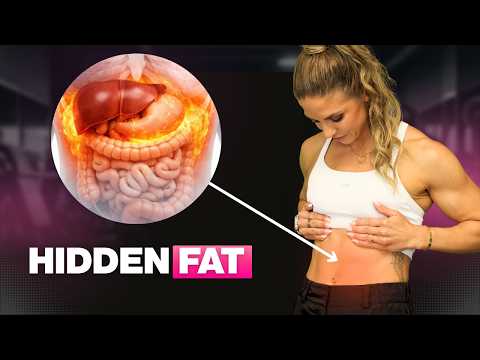 27 min
How to Lose Visceral Fat After Menopause
Episode 401 · Oct 2, 2026
How Stress Stops Fat Loss After 40 and What to Do
Episode 237 · Feb 28, 2025
 20 min
Can Poor Sleep Stop Fat Loss After 40?
Episode 346 · Mar 23, 2026
Free Body
Transformation Assessment