
Answered in 6 episodes
How do I stop snacking at night in front of the TV?
Answered by Nikkiey Stott and her guests · Updated
The short answer
Change the setup instead of trying harder. Nikkiey's approach is to eat a high-protein dinner late enough that you aren't genuinely hungry when you sit down, keep trigger foods out of the house, and change what you do on the couch. When the urge hits anyway, pause and ask whether you're hungry or just bored.
Hear it from the show
Tap play to start right where it's answered. It keeps playing while you browse.
Nikkiey on a late high-protein dinner that removes the TV hunger cue
Plays from 17:27 · Ep. 379: Do Macros Work If You Overeat? How to Break the Cycle
Pattern interrupts, a new couch routine, and a week of logging your snack moments
Plays from 23:58 · Ep. 353: Why Can't I Stop Eating? Emotional vs Impulse Eating
Why eating at night is often a protein shortfall, not a lack of discipline
Plays from 11:19 · Ep. 330: Why Women Over 40 Need More Protein Than They Think
Clearing trigger snacks out of the house so Netflix nights have nothing to grab
Plays from 11:44 · Ep. 3: How to Stop Impulse Eating: 5 Strategies That Work
Nikkiey's own nighttime sugar habit and the tooth-brushing trick that broke it
Plays from 10:46 · Ep. 19: Why Is It So Hard to Stick to a Nutrition Plan?
The full answer
Nikkiey explains on Ep. 379 that TV snacking is a habit loop. Sitting down to watch is the cue, getting a snack is the routine, and feeling relaxed plus the taste is the reward. After enough repetitions, the couch triggers the reach whether you're hungry or not. On Ep. 330 she adds that heavy eating at night usually isn't a discipline problem. Coffee, a tiny breakfast and a salad leave you short on protein, and your body asks for more food at night because it didn't get enough during the day.
So start with the cue and the environment. Nikkiey's go-to is a high-protein dinner eaten close enough to TV time that the hunger cue isn't there. If she still wants something, she has a couple of pieces of chocolate on purpose. On Ep. 353 she offers a test: if you think the snacking would stop if the chips weren't in the house, it's impulse eating tied to your environment. On Ep. 3 she suggests clearing out what doesn't support you for now. She doesn't mean it as restriction. She means it as a way to stop the food from having control over you. If the snacks have to stay because your kids love them, put a sticky note on the pantry as a speed bump.
Then replace the routine:
- Give your hands something to do on the couch, or change the setting entirely (Ep. 353)
- Brush your teeth, the trick Nikkiey used to break her own nightly sugar habit (Ep. 3, Ep. 19)
- Take a 10-minute walk if stress is the trigger (Ep. 19)
- Pause in the kitchen and ask whether you're hungry or bored. On Ep. 90, Britley Williams adds a second question: are you reaching to meet a need you could meet another way?
Nikkiey admits it's easier said than done. She suggests logging every impulse moment for a week, including where you were, what you were doing and what food was available. She says the patterns show up fast, and then you can work on changing at least two parts of the loop.
From The WarriorBabe Show with Nikkiey Stott. For education, not medical advice: talk to your doctor about your own health.
Women also ask
More questions →
Food Noise, Cravings & Overeating
How do I stop emotional eating?
Start by catching the moment: before you eat, ask whether you're hungry, bored or stressed. If you're hungry, eat a proper meal. If it's emotion, Nikkiey suggests a walk, deep breathing, talking it out or journaling instead. Structure helps too: knowing exactly what you'll eat each day keeps food as fuel, not a fix.
Read the answer →

Food Noise, Cravings & Overeating
Why am I always hungry?
Constant hunger usually means your body is underfed or unbalanced, not that you lack willpower. Nikkiey points to three common causes: too little protein, blood sugar swings from fast-digesting carbs eaten on their own, and simply not eating enough overall. Small hunger cues are normal; feeling starving all day is a signal to change the plan.
Read the answer →

Food Noise, Cravings & Overeating
Why do I get cravings at night?
According to Nikkiey, night cravings usually mean you under-fueled during the day, most often by not eating enough protein. She says it's rarely a willpower problem. Skimp on protein and overall food, and your hunger and blood sugar get out of balance, so by evening your body is asking for everything at once.
Read the answer →
Watch the full episodes
More episodes →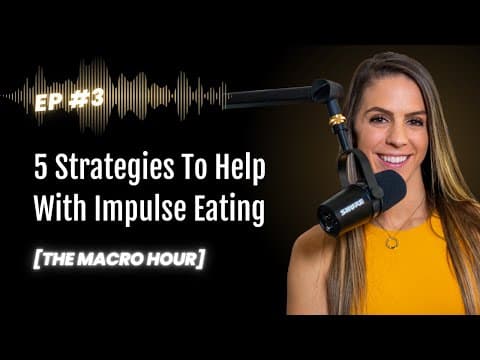 17 min
How to Stop Impulse Eating: 5 Strategies That Work
Episode 3 · Jan 9, 2023
 29 min
Do Macros Work If You Overeat? How to Break the Cycle
Episode 379 · Jul 17, 2026
 31 min
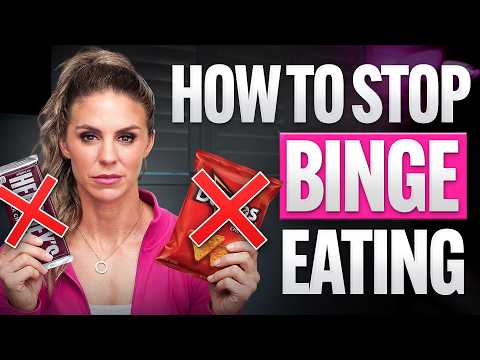
Why Can't I Stop Eating? Emotional vs Impulse Eating
Episode 353 · Apr 17, 2026