
Answered in 4 episodes
Does lifting weights help your mental health?
Answered by Nikkiey Stott and her guests · Updated
The short answer
Yes. On The WarriorBabe Show, Nikkiey explains that lifting gives the stress your body carries somewhere to go, triggers endorphins she calls the brain's natural antidepressants, and builds confidence every time you lift heavier. She also cautions that not every way of exercising is good for your mind, especially when your training is driven by guilt.
Hear it from the show
Tap play to start right where it's answered. It keeps playing while you browse.
Nikkiey on why a hard workout can feel like a full emotional exhale
Plays from 11:02 · Ep. 345: How Exercise Supports Your Mental Health After 40
How resistance training's endorphins can buffer menopause mood swings
Plays from 3:03 · Ep. 98: Why Build Muscle During Menopause? 4 Key Reasons
Nikkiey on neuroplasticity and lifting to build a more resilient brain
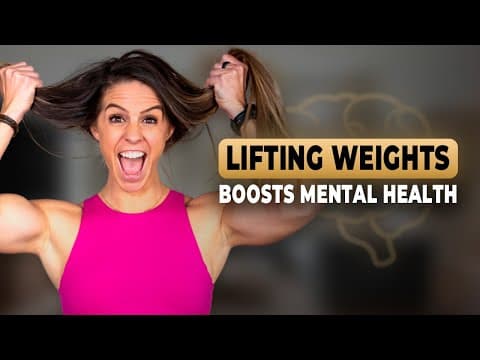
Plays from 15:34 · Ep. 182: How Strength Training Helps Your Mental Health After 40
Why pushing to a heavier lift builds confidence beyond the gym
Plays from 21:24 · Ep. 182: How Strength Training Helps Your Mental Health After 40
Karena Dawn on happy hormones and how caring for your body reduces stress
Plays from 24:46 · Ep. 132: How Fitness Supports Mental Health: Karena Dawn's Story
The full answer
Nikkiey points out that anxiety isn't only in your head. It shows up as a racing heart, shallow breathing and muscle tension. On Ep. 345 she explains that training gives your body an outlet for that stress response. You burn off adrenaline and complete the stress cycle, which is why a hard session can feel like a full emotional exhale. She mentions hearing from women who say consistent training changed their anxiety. If you take medication for anxiety or depression, talk with your doctor before changing anything.
On Ep. 98 she connects this to menopause. Resistance training releases endorphins, which she calls the brain's natural antidepressants and painkillers, and they can help buffer the mood swings and low moods that hormonal shifts can bring. On Ep. 182 she adds that strength training can help lower cortisol and has been shown to improve neuroplasticity, your brain's ability to adapt and change. Her take is that this helps your brain handle stress and challenges better. She also says that each time you lift heavier or finish a tough workout, you prove you're capable of more than you thought, and that confidence carries into work and family. On Ep. 132, guest Karena Dawn credits the happy hormones from working out and the reduced stress of taking care of your body. Both she and Nikkiey notice their mood dips after a few days without moving.
The nuance from Ep. 345: exercise being good for mental health doesn't mean every form of it is healthy for you at all times. If missing one workout leaves you feeling guilty or worthless, Nikkiey says that isn't discipline. It's a sign your mental health is tied to the behavior in a way that isn't serving you. The aim is training that steadies you, not training you're punishing yourself with.
From The WarriorBabe Show with Nikkiey Stott. For education, not medical advice: talk to your doctor about your own health.
Women also ask
More questions →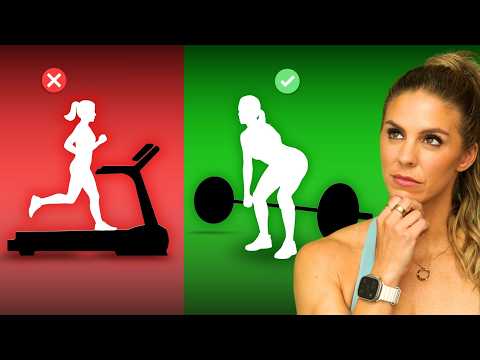
Women's Health & Aging
Does strength training help bone density in menopause?
Yes. Nikkiey explains that strength training puts stress on your bones, which triggers them to rebuild stronger and denser, raising bone mineral density and lowering osteoporosis risk as estrogen drops in menopause. On the show, she and guest Sal Di Stefano agree that walking and cardio don't come close to resistance training for bone.
Read the answer →
Women's Health & Aging
Can I strength train after a knee or hip replacement?
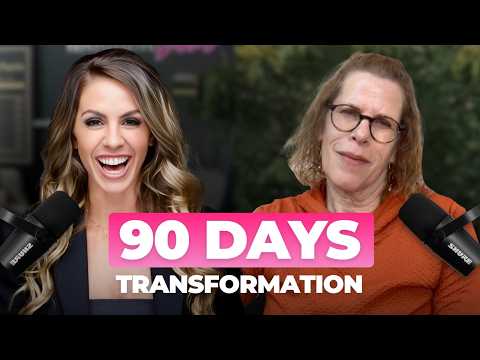
Yes, according to several women on The WarriorBabe Show who did it. Johanna lifts three days a week after two total knee replacements and says she has no programming limitations. Peggy started about four to five months after her surgeries with one modified session a week. Follow your surgeon's guidance and modify every movement.
Read the answer →

Women's Health & Aging
What should I do if my doctor dismisses my symptoms?
Don't accept "it's just aging" or "it's stress" without data. Nikkiey says to push back politely and firmly, arrive with a weekly symptom log and a list of questions and tests, and remember you can get a second opinion or change doctors if yours won't engage.
Read the answer →
Watch the full episodes
More episodes →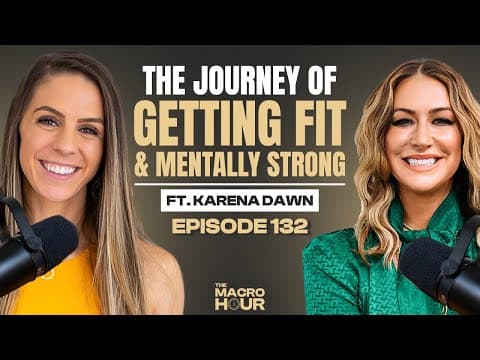 38 min
How Fitness Supports Mental Health: Karena Dawn's Story
With Karena Dawn
 29 min
How Strength Training Helps Your Mental Health After 40
Episode 182 · Aug 19, 2024
Why Build Muscle During Menopause? 4 Key Reasons
Episode 98 · Oct 6, 2023