
Answered in 4 episodes
Why am I tracking my macros but not losing weight?
Answered by Nikkiey Stott and her guests · Updated
The short answer
Most often, the data is off, not your body. Nikkiey explains there's a big difference between tracking and tracking accurately. Eyeballed portions, measuring cups, untracked sauces and loose weekends can mean you're not in the deficit your app shows. Results also take longer than a few weeks. They're delayed, not wasted.
Hear it from the show
Tap play to start right where it's answered. It keeps playing while you browse.
Nikkiey on the difference between tracking and tracking accurately
Plays from 1:16 · Ep. 350: Tracking Macros but Not Losing Weight? 7 Common Mistakes
Why small, consistent errors make you adjust the wrong things
Plays from 3:01 · Ep. 350: Tracking Macros but Not Losing Weight? 7 Common Mistakes
How to track and plan weekends so they stop stalling fat loss
Plays from 13:13 · Ep. 289: Why Your Weekends Are Stalling Your Fat Loss
Why four weeks of tracking is too soon to judge your results
Plays from 20:00 · Ep. 7: Why Daily Habits Beat Quick Fixes for Fat Loss After 40
When every macro tweak failed and a client turned to lab testing
Plays from 35:55 · Ep. 170: Weight Loss Stalled After 50? One Woman's Real Story
The full answer
On Ep. 350, Nikkiey says that macro tracking works when your data is accurate. When it's off, even slightly and consistently, your body is living in a different reality than your app shows. Then you troubleshoot the wrong things. You change targets that didn't need changing, stop tracking for a week, and end up blaming your metabolism. If you're in an active fat loss phase and stuck, she says switching from cups to a food scale and weighing in grams is often one of the fastest ways to find the gap.
Weekends are a common leak. On Ep. 289, Nikkiey suggests a few steps:
- Track the weekend before changing anything, just to see what you're actually eating.
- Plan for flexibility. If brunch or date night is coming, nail your protein and shift other macros earlier in the day.
- Pre-log restaurant meals, using a menu's macro breakdown if it has one.
She is also direct that macros have worked for thousands of people. Your body is responding to the inputs you give it. That isn't blame. It means the fix is within your control.
Time matters too. On Ep. 7, Nikkiey says a few weeks is a tiny window, especially after years of habits. She compares progress to an ice cube that doesn't melt until the room reaches 32 degrees. The work is being stored, not wasted. On Ep. 170, she describes a client, Lisa, whose accurate tracking and every macro adjustment still didn't move things. At that point Lisa got genetic testing and full blood work and reviewed them with her functional medicine doctor. If you've truly ruled out tracking errors and given it time, that's a conversation to have with your doctor.
From The WarriorBabe Show with Nikkiey Stott. For education, not medical advice: talk to your doctor about your own health.
Women also ask
More questions →
Macros & Macro Tracking
Do I have to track macros forever?
No. Nikkiey is clear that you don't have to track macros for the rest of your life. Tracking and weighing your food is a temporary, educational phase that teaches you what real portions of protein, carbs and fat look like. Do it consistently for a couple of years and it becomes second nature.
Read the answer →
Macros & Macro Tracking
How do I make tracking macros less overwhelming?
Make the job smaller at first. The women on the show who stuck with it started small: tracking only protein, planning one day and repeating it, or picking a few meals from a sample plan. Nikkiey says week one might take half an hour a day, but by week three or four it takes five to ten minutes.
Read the answer →
Macros & Macro Tracking
How do I start tracking macros as a beginner?
Start by learning to track before chasing any numbers. Nikkiey has beginners log what they normally eat in MyFitnessPal for seven days, then focus on protein first and add fats and carbs later. Keep your meals simple and repetitive for the first few weeks so tracking becomes a skill, not a source of overwhelm.
Read the answer →
Watch the full episodes
More episodes → 26 min
Why Daily Habits Beat Quick Fixes for Fat Loss After 40
Episode 7 · Jan 23, 2023
 1 hr 10 min
Weight Loss Stalled After 50? One Woman's Real Story
Episode 170 · Jul 5, 2024
 31 min
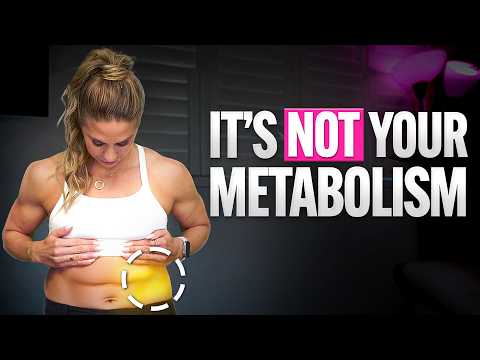
Tracking Macros but Not Losing Weight? 7 Common Mistakes
Episode 350 · Apr 6, 2026