
Answered in 10 episodes
Do I have to track macros forever?
Answered by Nikkiey Stott and her guests · Updated
The short answer
No. Nikkiey is clear that you don't have to track macros for the rest of your life. Tracking and weighing your food is a temporary, educational phase that teaches you what real portions of protein, carbs and fat look like. Do it consistently for a couple of years and it becomes second nature.
Hear it from the show
Tap play to start right where it's answered. It keeps playing while you browse.
Nikkiey on why tracking becomes second nature by year three, four or five
Plays from 13:57 · Ep. 372: How to Retrain Your Metabolism After Years of Dieting
Nikkiey on how she stopped needing to track after years of weighing portions
Plays from 14:14 · Ep. 347: What Are Macros and How Do I Start Tracking Them?
How Nikkiey tracks part of the week now and eats at maintenance on weekends
Plays from 8:05 · Ep. 74: Can You Stop Tracking Macros and Still Keep Results?
Why the first couple of years of work come before you can stop tracking
Plays from 20:02 · Ep. 145: How to Stay Lean Year-Round Without Always Dieting
Nikkiey on a client taking two weeks off tracking after learning her meals
Plays from 10:50 · Ep. 341: How to Rebuild Your Body After 50 When You're Under-Eating
The full answer
Nikkiey frames tracking as a skill, not a diet. On Ep. 335 she describes logging your food in an app while looking at the plate, so your brain learns what a good portion of protein, carbs and fat looks like. Once you can see portions, you stop guessing, and fat loss stops feeling so confusing. On Ep. 372 she adds that weighing your food often shows you how much more you should be eating than you thought.
The episodes differ a little on timing. On Ep. 74 and Ep. 145, Nikkiey says to plan on a couple of years of consistent tracking and weighing before coming off it, and on Ep. 145 she says you'll likely need to go through coming out of a cut, and getting it a bit wrong, a couple of times before it clicks. On Ep. 347 she notes that most women who have been at it for a few months can eyeball their macros pretty accurately. On Ep. 341, client Leynise, a year and seven months in, took two weeks off tracking, which Nikkiey calls a huge testament to how well she understands her meals.
The off-ramp doesn't have to be all or nothing. On Ep. 74 Nikkiey shares that she tracks three or four days a week while in a deficit and lives at maintenance Friday through Sunday. On Ep. 347 she says that years in, she no longer needs to track at all because she knows portions through and through.
If you've resisted tracking because it feels obsessive, Nikkiey's point is that it's a short learning season that serves you for life. What you're doing now hasn't worked, so the answer is learning something new, not trying harder at the old plan.
From The WarriorBabe Show with Nikkiey Stott. For education, not medical advice: talk to your doctor about your own health.
Women also ask
More questions →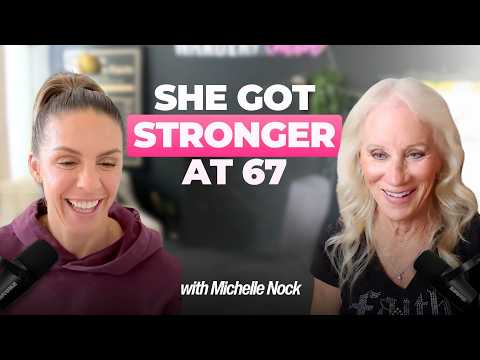
Macros & Macro Tracking
How do I track macros when eating out?
Order simple dishes you can estimate, like salmon with rice and vegetables, ask for sauce on the side, ballpark the portion, find something similar in your app, log it and move on. Weighing food at home trains your eye, and asking for extra protein keeps you on track. The goal is consistency and awareness, not perfection.
Read the answer →
Macros & Macro Tracking
Is tracking macros better than counting calories?
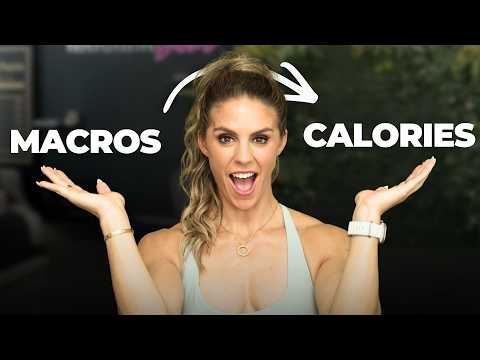
For most women over 40 who want to change how their body looks, yes. Nikkiey explains that macro tracking isn't an alternative to counting calories; it's the more complete version. Calories alone can get the scale moving, but you'll lose muscle with the fat. Tracking protein, carbs and fat lets you lose fat while keeping muscle.
Read the answer →
Macros & Macro Tracking
How long does it take to get good at tracking macros?
Expect a learning curve of about three to four months, with tracking feeling noticeably easier somewhere between six months and a year. Nikkiey's first planning sessions took up to an hour and a half; years later she logs a full day in about two minutes. Some women, like guest Valerie, hit their numbers within two weeks.
Read the answer →
Watch the full episodes
More episodes → 32 min
How to Stay Lean Year-Round Without Always Dieting
Episode 145 · Apr 8, 2024
 26 min
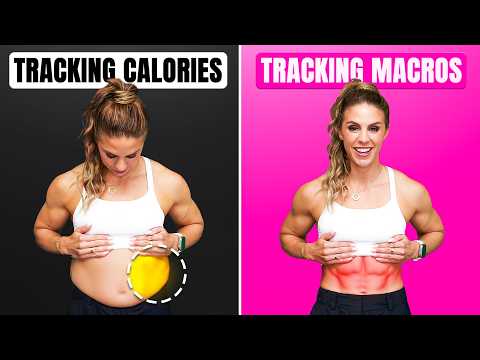
What Are Macros and How Do I Start Tracking Them?
Episode 347 · Mar 27, 2026
 44 min
How to Retrain Your Metabolism After Years of Dieting
Episode 372 · Jun 22, 2026