
Answered in 8 episodes
How do I start tracking macros as a beginner?
Answered by Nikkiey Stott and her guests · Updated
The short answer
Start by learning to track before chasing any numbers. Nikkiey has beginners log what they normally eat in MyFitnessPal for seven days, then focus on protein first and add fats and carbs later. Keep your meals simple and repetitive for the first few weeks so tracking becomes a skill, not a source of overwhelm.
Hear it from the show
Tap play to start right where it's answered. It keeps playing while you browse.
Nikkiey on starting with seven days of normal tracking before focusing on protein
Plays from 7:59 · Ep. 152: How Do Women Build Muscle? Protein, Macros and Lifting
Amber Brueseke on learning to track before trying to hit any numbers
Plays from 27:13 · Ep. 47: Why You Keep Self-Sabotaging Your Fat Loss Goals
Bryn and Nikkiey on eating the same foods while you learn your macros
Plays from 17:42 · Ep. 380: Can You Lose Menopause Weight and Build Muscle at 58?
Jordan Syatt's step-by-step path from writing food down to weighing it
Plays from 34:38 · Ep. 215: How to Start Tracking Food Without Feeling Overwhelmed
Nikkiey on setting your goal and logging a week of eating in MyFitnessPal
Plays from 26:27 · Ep. 303: Calories vs Macros: What Women Over 40 Need to Know
The full answer
The first week is about awareness, not perfection. On Ep. 303, Nikkiey says to decide your goal first (lose fat, gain muscle or maintain), then log everything you eat for seven days. That week tends to surprise people, like the healthy smoothie that turns out to be 80 grams of carbs and only 10 grams of protein. On Ep. 152 she notes many clients find they are eating around 60 grams of protein a day. Amber Brueseke adds on Ep. 47 that tracking is its own skill: learning the app, building recipes and weighing food. Most people have no idea how small a measured tablespoon of peanut butter is.
Then add one target at a time. Nikkiey's approach on Ep. 152 is protein only for a couple of weeks, with fats and carbs coming in about a month to a month and a half later, because tackling all three at once is instant overwhelm. Her guests layer it a little differently. Amber goes calories first, then calories plus protein, then all three macros. On Ep. 215, Jordan Syatt has people write everything down without amounts, then ballpark calories, then bring in a food scale, then add protein and fiber. He says weighing takes extra time at first but less than five minutes a day after a month. The order varies, but they all agree on one point: don't try to learn everything on day one.
Keep the food boring on purpose. On Ep. 109, Nikkiey suggests building one day of quality foods you enjoy in MyFitnessPal, then copying it forward for five to seven days. On Ep. 380, member Bryn says eating the same foods for a while is how she figured out her macros. Nikkiey recommends keeping the same breakfast and snacks for two to four weeks, then slowly rotating lunches and dinners. She admits that when she started, tracking as she went left her 100 grams under on protein. If tracking has felt impossible before, the plan was too complicated. That doesn't mean you can't do it.
From The WarriorBabe Show with Nikkiey Stott. For education, not medical advice: talk to your doctor about your own health.
Women also ask
More questions →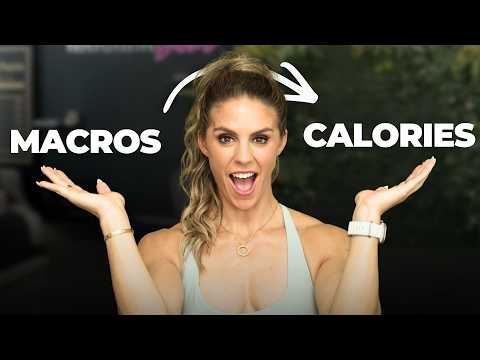
Macros & Macro Tracking
Is tracking macros better than counting calories?
For most women over 40 who want to change how their body looks, yes. Nikkiey explains that macro tracking isn't an alternative to counting calories; it's the more complete version. Calories alone can get the scale moving, but you'll lose muscle with the fat. Tracking protein, carbs and fat lets you lose fat while keeping muscle.
Read the answer →
Macros & Macro Tracking
How do I track macros when eating out?
Order simple dishes you can estimate, like salmon with rice and vegetables, ask for sauce on the side, ballpark the portion, find something similar in your app, log it and move on. Weighing food at home trains your eye, and asking for extra protein keeps you on track. The goal is consistency and awareness, not perfection.
Read the answer →
Macros & Macro Tracking
How long does it take to get good at tracking macros?
Expect a learning curve of about three to four months, with tracking feeling noticeably easier somewhere between six months and a year. Nikkiey's first planning sessions took up to an hour and a half; years later she logs a full day in about two minutes. Some women, like guest Valerie, hit their numbers within two weeks.
Read the answer →
Watch the full episodes
More episodes →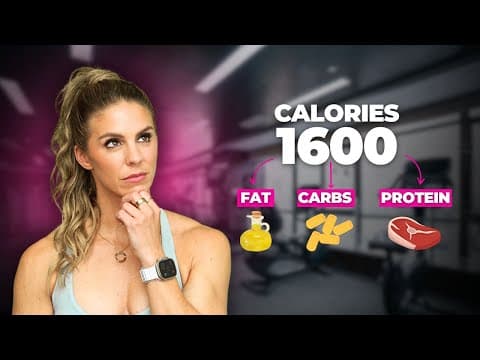 33 min
Calories vs Macros: What Women Over 40 Need to Know
Episode 303 · Oct 17, 2025
 31 min
Can You Lose Menopause Weight and Build Muscle at 58?
Episode 380 · Jul 20, 2026
 1 hr 4 min
How to Start Tracking Food Without Feeling Overwhelmed
With Jordan Syatt