
Answered in 7 episodes
How long does it take to get good at tracking macros?
Answered by Nikkiey Stott and her guests · Updated
The short answer
Expect a learning curve of about three to four months, with tracking feeling noticeably easier somewhere between six months and a year. Nikkiey's first planning sessions took up to an hour and a half; years later she logs a full day in about two minutes. Some women, like guest Valerie, hit their numbers within two weeks.
Hear it from the show
Tap play to start right where it's answered. It keeps playing while you browse.
Nikkiey on the three-to-four-month learning curve and when tracking gets easy
Plays from 20:31 · Ep. 80: Is Tracking Macros Too Restrictive for Women Over 40?
Why you'll be much faster at tracking within six months to a year
Plays from 13:17 · Ep. 72: How to Track Macros and Beat Gym Anxiety as a Beginner
Nikkiey's hour-long first nights of tracking and how she pushed through
Plays from 12:44 · Ep. 144: Is Tracking Macros Worth It When It Feels Too Hard?
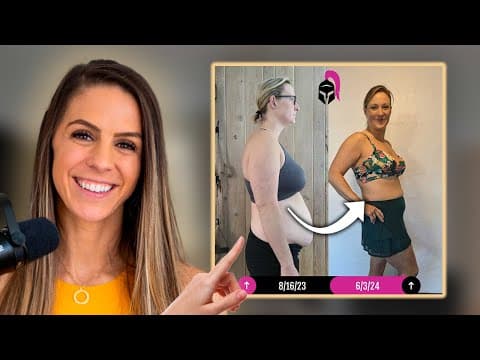
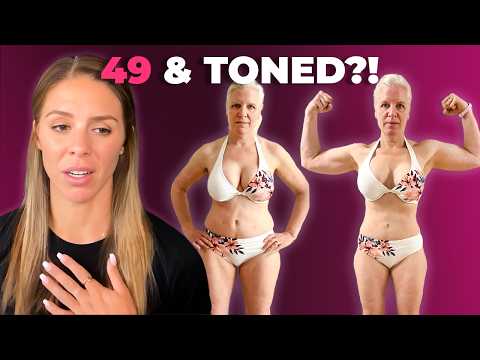
Valerie on going from overwhelmed to plus or minus five in two weeks
Plays from 21:12 · Ep. 270: How to Get Toned at 49 After Years of Dieting
Why tracking gets faster with practice, like riding a bike
Plays from 14:03 · Ep. 164: What Are Macros? A Beginner's Guide for Women Over 40
The full answer
Nikkiey compares learning to track macros to riding a bike with training wheels. It's a skill: you're learning what's in your food, what portions look like, and how to fit everything into your day like a game of Tetris. On Ep. 80 she says the first three to four months may be a learning curve, and by five or six months to a year it gets easier. On Ep. 72 she says you'll look back at day one after six months to a year and see how much faster you've become. On Ep. 164 she notes the activity starts feeling faster and easier even three or four weeks in, and WarriorBabe treats fully tracking all three macros as the goal after about a year in the program.
Timelines vary. On Ep. 270, Valerie found macros overwhelming at first and spent hours figuring out recipes, but she got close within the first week and was hitting plus or minus five by week two. Nikkiey herself quit after her first hour-long planning nights, came back, and pushed through. Now, after seven-plus years, she says inputting her food takes about a minute and a half to two minutes, and she can look at a plate and know what's on it.
What speeds it up:
- Plan a full day, then repeat it for about a week so you're not starting from scratch every day.
- Swap in one or two new meals at a time once you feel confident.
- Aim for repetition, not perfection. Nikkiey says expecting perfect macros on day one is probably what's tripping you up.
- Track every day, not two or five days out of seven.
If it feels slow, that's the normal curve of learning a new skill, not a sign you can't do it.
From The WarriorBabe Show with Nikkiey Stott. For education, not medical advice: talk to your doctor about your own health.
Women also ask
More questions →
Macros & Macro Tracking
Do I have to track macros forever?
No. Nikkiey is clear that you don't have to track macros for the rest of your life. Tracking and weighing your food is a temporary, educational phase that teaches you what real portions of protein, carbs and fat look like. Do it consistently for a couple of years and it becomes second nature.
Read the answer →
Macros & Macro Tracking
How do I make tracking macros less overwhelming?
Make the job smaller at first. The women on the show who stuck with it started small: tracking only protein, planning one day and repeating it, or picking a few meals from a sample plan. Nikkiey says week one might take half an hour a day, but by week three or four it takes five to ten minutes.
Read the answer →
Macros & Macro Tracking
How do I start tracking macros as a beginner?
Start by learning to track before chasing any numbers. Nikkiey has beginners log what they normally eat in MyFitnessPal for seven days, then focus on protein first and add fats and carbs later. Keep your meals simple and repetitive for the first few weeks so tracking becomes a skill, not a source of overwhelm.
Read the answer →
Watch the full episodes
More episodes → 25 min
How to Track Macros and Beat Gym Anxiety as a Beginner
Episode 72 · Jun 26, 2023
What Are Macros? A Beginner's Guide for Women Over 40
Episode 164 · Jun 14, 2024
 47 min
How to Get Toned at 49 After Years of Dieting
Episode 270 · Jun 23, 2025