
The short answer
Macros, short for macronutrients, are the three nutrients that make up everything you eat: protein, carbohydrates and fat. Calories are just the unit of energy they provide. Nikkiey explains that tracking macros shows what your calories are actually made of, so you get the balance your body needs instead of mostly carbs and fat.
Hear it from the show
Tap play to start right where it's answered. It keeps playing while you browse.
Nikkiey defines macros and how they relate to calories
Plays from 3:07 · Ep. 347: What Are Macros and How Do I Start Tracking Them?
Why 1,800 calories can be mostly carbs and fat with little protein
Plays from 11:47 · Ep. 164: What Are Macros? A Beginner's Guide for Women Over 40
Nikkiey on the three macros, alcohol calories and why protein matters most
Plays from 16:37 · Ep. 156: What Are Macros and Why Do They Matter for Fat Loss?
What tracking macros shows you and what each macronutrient does
Plays from 4:44 · Ep. 347: What Are Macros and How Do I Start Tracking Them?
The full answer
On Ep. 347, Nikkiey breaks down how macros relate to calories. Protein and carbohydrates each provide four calories per gram, and fat is more calorie dense at nine per gram. So if a label shows 28 grams of protein, multiply by four to see how many of the calories come from protein. Counting calories tells you how much you ate. Tracking macros tells you where those calories came from, and she calls that distinction what makes macro tracking more powerful than calorie counting alone.
Each macro has a job:
On Ep. 156 she adds that alcohol isn't one of the macros but still has calories, so a drink label showing 100 calories and two grams of carbs doesn't add up. Think about where those calories are coming from.
- Protein builds and repairs muscle and tissue, helps produce hormones, supports your immune system and keeps you full longer than the others. Nikkiey calls it the king of the macronutrients for women who want to lose fat and build muscle.
- Carbohydrates are your body's preferred energy source, especially for your brain and your muscles during training.
- Fat is the third piece of every food, and the most calorie dense.
Why this matters: on Ep. 164, Nikkiey points out that 1,800 calories can be mostly carbs and fat with little protein, sometimes 70 percent carbs. It's not that carbs make you fat; it's that the balance is off. As a broad starting point she mentions 30 percent protein, 30 percent fat and 40 percent carbs, while stressing that macros are very individual.
If you're new to this, she describes how WarriorBabe starts: log how you normally eat for seven days, which is often an eye opener, then focus on protein first and phase in carbs and fats once you're consistent. If you've been eating less and not seeing results, the plan may be the problem, not you.
From The WarriorBabe Show with Nikkiey Stott. For education, not medical advice: talk to your doctor about your own health.
Women also ask
More questions →
Macros & Macro Tracking
Do I have to track macros forever?
No. Nikkiey is clear that you don't have to track macros for the rest of your life. Tracking and weighing your food is a temporary, educational phase that teaches you what real portions of protein, carbs and fat look like. Do it consistently for a couple of years and it becomes second nature.
Read the answer →
Macros & Macro Tracking
How do I start tracking macros as a beginner?
Start by learning to track before chasing any numbers. Nikkiey has beginners log what they normally eat in MyFitnessPal for seven days, then focus on protein first and add fats and carbs later. Keep your meals simple and repetitive for the first few weeks so tracking becomes a skill, not a source of overwhelm.
Read the answer →
Macros & Macro Tracking
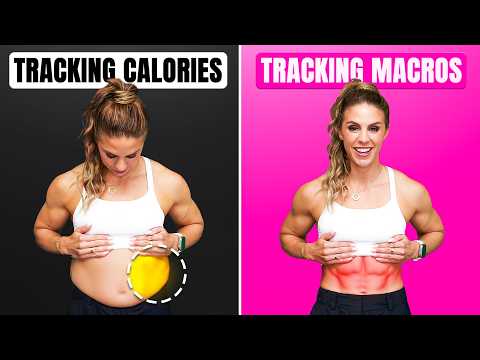
Is tracking macros better than counting calories?
For most women over 40 who want to change how their body looks, yes. Nikkiey explains that macro tracking isn't an alternative to counting calories; it's the more complete version. Calories alone can get the scale moving, but you'll lose muscle with the fat. Tracking protein, carbs and fat lets you lose fat while keeping muscle.
Read the answer →
Watch the full episodes
More episodes →What Are Macros? A Beginner's Guide for Women Over 40
Episode 164 · Jun 14, 2024
 26 min
What Are Macros and How Do I Start Tracking Them?
Episode 347 · Mar 27, 2026
 36 min
What Are Macros and Why Do They Matter for Fat Loss?
With Olivia Eve